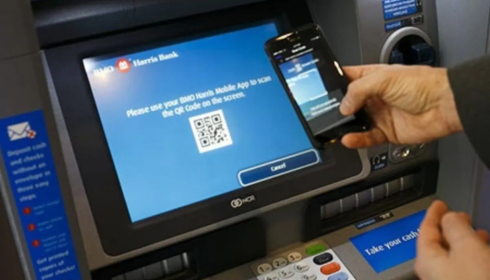
When technology fails us in crucial moments—like withdrawing money from an ATM—frustration follows. You insert your card, request the amount, and boom—no cash, but your account is debited. Or worse, you send money to the wrong account. These situations call for quick action. This article guides you through filing an atm transaction failed complaint and what to do if you’ve made a mistaken payment.
Understanding an ATM Transaction Failure
An ATM transaction failure usually means your account was debited, but the machine didn’t dispense the money. It can happen due to:
- Poor network connectivity
- Power failure during transaction
- Cash-jam or empty ATM
- Card reader malfunction
In most cases, banks automatically reverse the transaction within 7 working days. However, delays are not uncommon, and that’s when filing a formal complaint becomes necessary.
Steps to File an ATM Transaction Failed Complaint
Here’s what you need to do:
1. Note Down Transaction Details
Immediately after the failed transaction, record the:
- Date and time
- ATM location
- Last 4 digits of your card
- Transaction amount
- Any message displayed on the ATM screen
This information will be crucial for your complaint.
2. Visit or Call Your Bank
You can lodge a complaint through:
- Branch visit
- Bank’s mobile app or net banking
- Customer care helpline
Use the complaint option related to failed ATM transactions. Share all relevant details and request a service request number (SRN) for tracking.
3. Use RBI Guidelines to Your Advantage
As per the Reserve Bank of India (RBI), banks are required to resolve failed ATM transactions within 7 working days. If they fail to do so, the customer is entitled to a ₹100 per day penalty for the delay—credited automatically.
What If You Made a Mistaken Payment?
With UPI and mobile banking becoming popular, Mistake payment issues are on the rise. For example, you accidentally send money to the wrong account. What next?
1. Act Immediately
The sooner you act, the better the chances of getting your money back. Contact your bank and explain the situation. Provide transaction ID, amount, and the incorrect beneficiary details.
2. Raise a Dispute in App
Most UPI apps offer a “Raise Dispute” or “Report Problem” button. Use it to lodge a complaint under “Wrong Transfer” or “Incorrect Beneficiary.”
3. Lodge Complaint on NPCI Portal
If the issue isn’t resolved by your bank or UPI app, escalate the matter to the National Payments Corporation of India (NPCI) via:
https://www.npci.org.in/what-we-do/upi/dispute-redressal-mechanism
Documents You Might Need
Whether for ATM failures or mistaken payments, keep the following handy:
- Bank passbook or account statement
- SMS/Email confirmation of the transaction
- Screenshots (if using UPI apps)
- Identity proof (Aadhar, PAN, etc.)
Tips to Avoid Future Issues
- Always double-check recipient details before sending money.
- Enable low-limit transaction alerts.
- Use trusted ATMs within bank premises.
- Avoid making transactions during low network conditions.
When to Approach Banking Ombudsman
If your bank doesn’t resolve the issue in 30 days, file a complaint with the Banking Ombudsman. Visit: https://cms.rbi.org.in
Conclusion
While digital transactions and ATMs offer convenience, failures and mistakes do happen. Knowing how to handle an atm transaction failed complaint and acting quickly on mistake payment errors can save you stress, time, and money. Keep your transaction records organized, act fast, and follow up persistently to ensure a smooth resolution.
