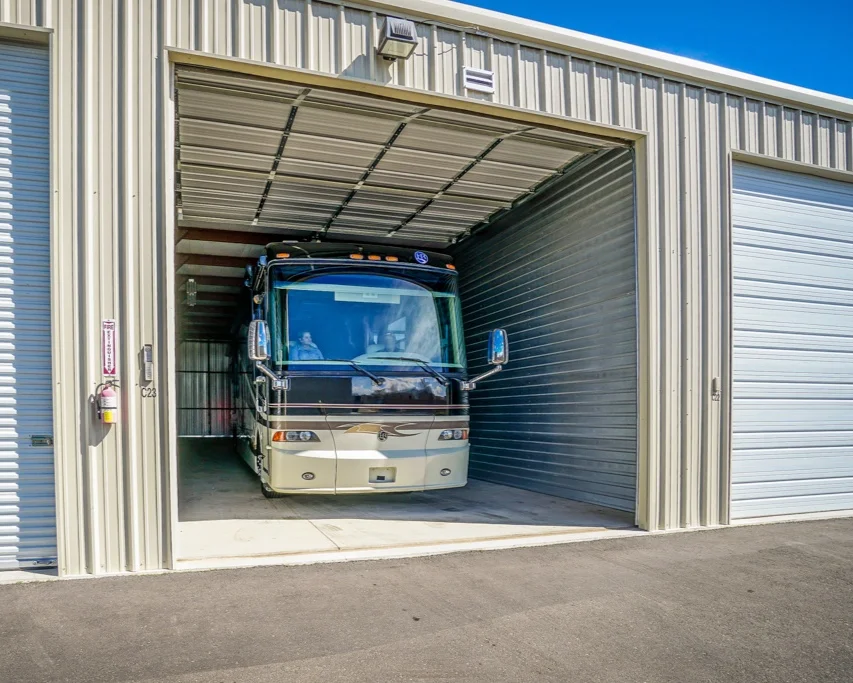
Putting an RV away for a long stretch isn’t just about finding space—it’s about making sure everything inside and outside stays protected while it sits still. RV storage units offer a dependable option, but the RV itself must be prepared so it doesn’t develop issues during downtime. A few careful steps go a long way toward keeping it clean, safe, and ready for the next trip.
Clean out All Food and Trash to Avoid Pests
Leftover crumbs, wrappers, or forgotten snacks invite unwanted guests into the RV. Before placing it in storage units near me, every cabinet, drawer, and fridge compartment should be checked and cleaned. Even sealed food can attract pests if scents linger inside the vehicle.
Clearing out trash strengthens this line of defense. Odors trapped inside small bins or hidden spaces can signal pests that the RV is a possible shelter. Removing all waste helps maintain a fresh interior so the RV remains safe during long-term storage.
Check Tire Pressure and Cover Tires for Uv Protection
Tires lose air during extended periods of inactivity. To avoid flat spots or cracks, pressure must be checked and adjusted to manufacturer recommendations before parking the RV. RV storage units reduce exposure, but proper inflation still prevents stress on the tire structure. Sunlight also wears down rubber more quickly. Protective covers shield the tires from UV rays, lowering the chance of dry rot or premature aging. Keeping the tires covered ensures they stay in road-ready shape when the RV is taken out again.
Disconnect Battery to Prevent Power Drain
Batteries continue to drain even when everything seems powered off. Disconnecting them avoids deep discharge, which reduces battery life and creates extra costs. An RV sitting in storage units near me benefits from having its power source completely isolated.
Another advantage of disconnecting is preventing electrical mishaps. Certain systems may attempt to draw minimal power, slowly weakening the battery over time. Taking the battery offline ensures it stays healthy until the RV is put back into use.
Add Fuel Stabilizer Before Long-term Parking
Fuel quality changes when left unused. Adding a stabilizer before placing the RV in storage keeps gasoline from degrading or clogging components in the engine. This step prevents gum buildup and keeps the fuel system cleaner during long storage periods.
Running the engine briefly after adding a stabilizer helps distribute it throughout the system. Doing so ensures the whole line benefits rather than just the tank. RV storage units help protect the vehicle from weather, but the fuel system must be safeguarded from internal damage too.
Seal All Vents and Openings Against Moisture
Moisture can slip into small gaps and create mold, mildew, or interior rust. Sealing exterior vents and minor openings keeps humidity from building up inside the RV. Even with covered RV storage units, this step prevents water from settling in unintended areas.
Vent screens or covers offer extra insurance. These barriers block rain, insects, and debris while still allowing the RV to breathe appropriately. Sealing everything correctly reduces long-term cleanup and minimizes potential repairs.
Protect Upholstery with Breathable Covers
Upholstery can fade or stiffen when left exposed for months. Breathable covers help protect seats, bedding, and cushions from dust and moisture buildup. They also help block lingering odors that sometimes develop in enclosed spaces. These covers allow airflow while shielding from damage. RV storage units near me provide environmental protection, but breathable fabric helps guard interior surfaces from aging prematurely. It also simplifies the cleanup process once the RV comes out of storage.
Empty Water Tanks and Drain Plumbing Lines
Water left inside tanks or plumbing can stagnate, freeze, or trigger bacterial growth. Fully draining the system ensures valves, pipes, and tanks remain in good shape. This prevents unpleasant odors and prolongs the life of the plumbing components.
Draining lines also avoids pressure buildup. Any remaining water could expand during temperature changes and cause cracking. Fully drying the system supports a smooth return to travel when the RV leaves the storage unit.
Lock All Doors and Secure External Storage Bays
Properly locking all entries keeps the RV protected from tampering or accidental openings. Storage units near me often include security features, but securing the RV itself adds a strong second layer. Doors, hatches, and windows should all be checked individually. External storage bays also need special attention. Loose latches can invite pests or allow moisture inside. Ensuring every compartment is tight and locked helps preserve tools, hoses, and gear stored in those spaces.
Record a Checklist of Fluids and Systems Before Storage
Documenting the condition of fluids and systems becomes valuable when preparing to bring the RV out again. Recording oil levels, coolant condition, and brake fluid status helps track maintenance needs after extended rest. This checklist removes guesswork and supports smoother post-storage inspections. Note-taking also highlights wear or needed repairs in advance. RV storage units help keep the exterior safe, but an internal record ensures the entire vehicle stays organized and predictable. A reliable checklist keeps everything on track for the next road trip.
RV owners benefit from knowing their vehicle is protected while parked for long periods. Storage Partner is a trusted choice you can rely on for all the storage units you need, offering dependable space solutions for every situation.