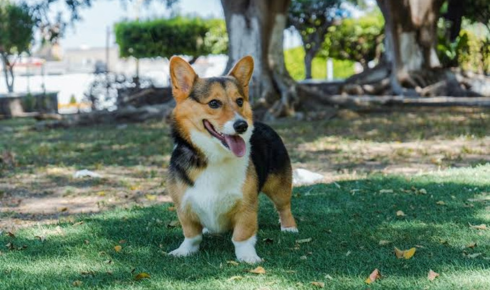
Few dog breeds capture hearts quite like the Corgi. With their expressive faces, intelligent eyes, and energetic personalities, Corgis have become one of the most beloved companion dogs in the world. However, behind their adorable appearance lies a highly intelligent herding breed that requires proper guidance, structure, and consistent training.
Effective Corgi training goes far beyond teaching basic commands. It involves understanding the breed’s instincts, channeling energy appropriately, and building a strong relationship based on trust and communication. Whether you have a young puppy or an older rescue, the right training approach can help your Corgi become a confident, well-mannered member of the family.
In this guide, we’ll explore practical training strategies, common challenges, and expert insights that can help owners achieve lasting success with their Corgis.
Understanding the Corgi Personality
Before diving into training techniques, it’s important to understand what makes Corgis unique.
Originally bred as herding dogs, both the Pembroke Welsh Corgi and Cardigan Welsh Corgi possess strong working instincts. These dogs were tasked with moving livestock, making independent decisions, and responding quickly to changing situations.
As a result, many Corgis display traits such as:
- High intelligence
- Strong problem-solving abilities
- Confidence and independence
- Alertness and vigilance
- High energy levels
- Herding behaviors
While these qualities make them excellent companions, they can also create training challenges if not managed properly.
A successful training program works with these natural instincts rather than attempting to suppress them.
Why Early Corgi Training Matters
The first few months of a Corgi’s life play a critical role in shaping future behavior. Puppies absorb information rapidly during their developmental stages, making early training one of the most valuable investments owners can make.
Early training helps:
- Establish household rules
- Prevent unwanted habits
- Build confidence
- Encourage social skills
- Improve responsiveness
- Strengthen the owner-dog relationship
Waiting until problematic behaviors appear often makes correction more difficult. Consistent guidance from the beginning creates a foundation for lifelong success.
Building a Strong Foundation with Positive Reinforcement
One of the most effective methods for Corgi training is positive reinforcement.
This approach rewards desired behaviors rather than focusing on punishment. Because Corgis are highly motivated learners, they often respond exceptionally well to praise, treats, toys, and attention.
Examples of positive reinforcement include:
- Giving a treat when your dog sits on command.
- Offering verbal praise for calm behavior.
- Rewarding successful recall.
- Using playtime as motivation.
Positive reinforcement encourages dogs to repeat behaviors that produce favorable outcomes. Over time, these desired actions become reliable habits.
Consistency remains essential. Every family member should use the same commands and reward system to avoid confusion.
Essential Commands Every Corgi Should Learn
Basic obedience forms the cornerstone of good behavior.
Teaching foundational commands provides structure while improving communication between owner and dog.
Sit
The sit command is often one of the first lessons puppies learn. It serves as a gateway to many other training exercises and helps encourage self-control.
Stay
Stay teaches patience and impulse control. Begin with short durations and gradually increase the difficulty.
Come
Reliable recall can significantly improve safety in everyday situations. Practice in low-distraction environments before progressing to more challenging settings.
Down
The down command promotes calm behavior and can help redirect excessive excitement.
Leave It
Corgis are naturally curious. Teaching leave it helps prevent them from picking up inappropriate or dangerous items.
Heel
Loose-leash walking creates more enjoyable walks and reduces pulling behavior.
Short, frequent sessions often produce better results than lengthy training periods. Many trainers recommend sessions lasting five to ten minutes several times per day.
Managing Herding Instincts
One of the most common concerns among owners involves herding behavior.
Because Corgis were bred to move livestock, some may attempt to herd children, guests, or other pets. This behavior can include chasing, circling, or ankle nipping.
Rather than punishing instinctive behavior, owners should redirect it appropriately.
Helpful strategies include:
- Providing structured exercise
- Teaching alternative behaviors
- Using interactive toys
- Practicing impulse-control exercises
- Engaging in dog sports and activities
Mental stimulation is particularly important for reducing unwanted herding tendencies.
When a Corgi’s mind remains engaged, many behavioral issues become significantly easier to manage.
The Importance of Socialization in Corgi Training
Socialization is often overlooked, yet it plays a major role in raising a balanced dog.
A properly socialized Corgi learns to remain comfortable and confident around new people, environments, sounds, and experiences.
Positive socialization opportunities may include:
- Meeting friendly dogs
- Visiting different locations
- Exposure to various surfaces
- Encountering new sounds
- Interacting with diverse people
The goal is not simply exposure but positive exposure.
Owners should allow puppies to explore new experiences at their own pace while rewarding calm and confident behavior.
Strong socialization frequently contributes to reduced anxiety, improved adaptability, and better behavior throughout adulthood.
Addressing Common Corgi Behavior Challenges
Even well-trained Corgis can develop behavior issues if their needs are not fully met.
Understanding common challenges allows owners to respond proactively.
Excessive Barking
Corgis are naturally alert and vocal.
While barking serves an important communication function, excessive barking may become problematic.
To reduce barking:
- Identify triggers
- Reward quiet behavior
- Increase mental stimulation
- Avoid reinforcing attention-seeking barking
Consistency remains key when addressing vocalization habits.
Stubbornness
Many owners describe Corgis as stubborn.
In reality, their intelligence often leads them to evaluate situations independently. Training sessions that remain engaging, rewarding, and varied typically produce the best outcomes.
Jumping
Excited greetings can encourage jumping.
Teach alternative behaviors such as sitting for attention and reward calm interactions consistently.
Resource Guarding
Some dogs may become protective of food, toys, or resting areas.
Early training, positive associations, and professional guidance when necessary can help address these concerns effectively.
Exercise and Mental Enrichment for Better Training Results
Training does not occur in isolation.
A dog’s physical and mental needs significantly influence behavior and learning capacity.
Many behavioral issues stem from boredom rather than disobedience.
Corgis generally benefit from:
- Daily walks
- Interactive games
- Puzzle feeders
- Obedience sessions
- Scent work activities
- Structured playtime
Mental enrichment can be just as important as physical exercise.
Activities that challenge a dog’s problem-solving abilities often help reduce destructive behaviors while improving focus during training sessions.
Advanced Corgi Training Opportunities
Once basic obedience skills are established, many owners enjoy exploring advanced training options.
Because Corgis are highly intelligent and eager to work, they frequently excel in various canine activities.
Popular options include:
Agility
Agility courses challenge coordination, focus, and communication.
Rally Obedience
This sport combines obedience skills with structured movement through designated stations.
Trick Training
Teaching tricks strengthens engagement while providing valuable mental stimulation.
Scent Detection
Many dogs enjoy scent-based activities that tap into natural instincts and encourage problem-solving.
Advanced training not only expands skills but also deepens the bond between owner and dog.
Creating Consistency at Home
One of the most overlooked aspects of successful training is consistency.
Dogs learn through repetition and predictable outcomes.
For example, if one family member allows jumping while another discourages it, the dog receives mixed messages.
To improve consistency:
- Use identical commands
- Establish clear household rules
- Reward desired behaviors consistently
- Maintain regular routines
- Track progress over time
Even highly intelligent dogs require clear expectations to succeed.
Consistency often makes the difference between temporary improvements and lasting behavioral change.
When Professional Guidance Can Help
While many owners successfully train their dogs at home, professional support can provide additional value.
Experienced trainers can:
- Identify training gaps
- Address challenging behaviors
- Create customized training plans
- Improve owner communication skills
- Accelerate progress
Professional instruction can be especially beneficial when dealing with persistent issues such as reactivity, anxiety, resource guarding, or advanced obedience goals.
The right trainer serves as both coach and educator, helping owners build confidence while strengthening their relationship with their dog.
The Long-Term Benefits of Effective Corgi Training
Training is not a one-time event. It is an ongoing process that evolves throughout a dog’s life.
The effort invested today often produces rewards for years to come.
Well-trained Corgis frequently demonstrate:
- Better manners
- Increased confidence
- Improved safety
- Stronger social skills
- Enhanced responsiveness
- Greater adaptability
Most importantly, training strengthens communication and trust between dog and owner.
When dogs understand expectations and owners understand their dogs’ needs, everyday life becomes more enjoyable for everyone involved.
Final Thoughts
Successful Corgi training requires patience, consistency, and an understanding of the breed’s unique characteristics. By combining positive reinforcement, structured socialization, regular exercise, and clear communication, owners can help their Corgis develop into confident and well-behaved companions.
While challenges such as barking, herding behaviors, and stubbornness may arise, they can often be addressed through thoughtful training strategies that respect the breed’s intelligence and working heritage. With the right approach, training becomes more than a way to teach commands it becomes an opportunity to build a lifelong partnership based on trust and mutual understanding.
For owners seeking expert guidance, personalized instruction, and proven training methods, Rob’s Dog Training provides professional support designed to help dogs and their families achieve lasting success together.