Blog

  • Why I Finally Got Serious About the Water in My Home—and Why You Might Want To, Too

    Why I Finally Got Serious About the Water in My Home—and Why You Might Want To, Too

    Some things you just get used to.

    That slightly off smell from the tap. The faint chlorine taste in your morning tea. The dry skin you chalk up to “seasonal changes.” You shrug, pour another glass, and go about your day. That’s exactly what I did for years—until I realized I didn’t have to settle for “fine.” Not when better water was just a few thoughtful steps away.

    This isn’t a sponsored post, and I’m not here to sell you on some flashy gadget. I’m just someone who realized—kind of late in the game—that the quality of our water matters way more than I ever gave it credit for.


    The Small Signs That Something Was Off

    At first, it was just little things. Our white laundry wasn’t staying white. My daughter’s eczema was flaring more often. The dishwasher was leaving residue on our glasses, no matter how many rinse cycles we ran. And my coffee? Tasted a bit like a swimming pool.

    Then I started noticing build-up on our faucets and that unmistakable film on the shower glass that refused to go away. I did the vinegar thing. Scrubbed, soaked, repeated. But it kept coming back.

    That’s when I started reading up on water quality—and realized we were long overdue for a change. The short version? Our “clean” tap water was far from clean. We needed an advanced water filtration system something that could do more than what a little pitcher filter in the fridge could handle.


    Understanding the Bigger Picture

    We live in a city with municipal water that meets legal standards. But “legal” doesn’t always mean healthy or enjoyable. I wasn’t looking for luxury—I just wanted water that didn’t taste weird or leave behind traces of itself all over my house.

    After some research (and a little help from a knowledgeable local installer), I learned about point-of-entry filtration—the kind that filters all water entering your house. That’s what led us to a whole home water filter.

    This was a game changer. It didn’t just improve our drinking water—it transformed the water we bathed in, cooked with, and used to wash everything from dishes to laundry. The results were almost immediate. Softer towels. Better-tasting meals. Showers that actually felt clean.


    Making the Switch

    Now, I’m not a DIY wizard. So when it came time for the actual clean water installation, I left it to the pros. And honestly, I’m glad I did. They walked us through the entire process, explaining how everything worked without throwing tech jargon at us.

    The setup wasn’t invasive or messy. It took a day, maybe a day and a half, and afterward, they even tested our water again to show the difference. It was more than just clear—it was clean. No sediment, no smell, no lingering aftertaste.

    And the unexpected part? We stopped buying bottled water. It wasn’t a conscious decision—we just… stopped needing it. That alone has saved us more money (and plastic waste) than I expected.


    The Real Benefits Hit Later

    At first, I thought we’d mostly just notice the taste. But there’s more to it. My skin felt better. My wife said her hair felt “less crunchy.” We started using less soap, detergent, shampoo—because with better water, you simply don’t need as much. Even our pets started drinking more water, which could be coincidence, but honestly, they seem happier too.

    It’s these quiet, unexpected changes that add up. They make your home feel cleaner, more comfortable, more efficient. You notice it when your water heater isn’t fighting buildup. When your glasses sparkle without needing to be wiped down. When the kids start filling up reusable bottles from the sink instead of asking for juice.


    If You’re Thinking About It—Here’s What I’d Say

    You don’t need to live with “just okay” water. And you don’t have to dive in headfirst with the most expensive system on the market. Start with a water test. See what you’re working with. Talk to someone local who understands your region’s water profile. Then decide what makes sense for your household.

    But I’ll say this: once you make the change, you will wonder why you waited so long. It’s like getting glasses after years of blurry vision—you didn’t know what you were missing until everything came into focus.


    Final Thoughts

    I didn’t set out to become a water system enthusiast. I just wanted my morning tea to taste like, well, tea. But upgrading to a true filtration system changed a lot more than I expected. And it made me realize that some of the best improvements to your home don’t involve paint or power tools—they start with the stuff you use every single day.

    Water is one of those essentials we all rely on. So why not make it the best it can be? Your skin, your dishes, and your coffee will thank you.


  • Breathing New Life Into Your Space: A Down-to-Earth Take on Home Remodeling

    Breathing New Life Into Your Space: A Down-to-Earth Take on Home Remodeling

    There’s something deeply personal about changing the place you call home. It’s not just about paint swatches and Pinterest boards — it’s about stories, growth, and that subtle urge to make a space feel more like you. Maybe it starts with a creaky floorboard that’s finally had enough or a kitchen that hasn’t caught up with your love for cooking. Whatever lights the fuse, the journey into home remodeling is often as emotional as it is practical.

    And let’s be real — it’s not always glamorous. You’ll get dust in your hair, argue over tile patterns, and possibly discover your house was held together by duct tape and stubborn hope. But still… it’s worth it.


    Why We Remodel: It’s Deeper Than Looks

    Sure, that new backsplash might get compliments, but there’s always something deeper at play. Maybe your family’s growing and the walls feel like they’re closing in. Or maybe the kids are off to college and you’re reclaiming space (hello, home office with actual doors).

    For some, it’s about market value — an investment decision with a spreadsheet to back it. For others, it’s about comfort, safety, or finally fixing the stuff that’s been “fine for now” since 2012. No matter the reason, the transformation touches more than just walls. It touches daily routines, relationships, and even moods.


    The Intimate Chaos of a House Renovation

    If you’ve ever lived through a full-blown house renovation, you know the drill: everything is everywhere, and your microwave becomes your best friend. There’s a strange rhythm to living in a construction zone — you learn to make coffee surrounded by drywall dust and find peace in knowing that mess is progress.

    And then there are the surprises — the ones behind the walls or under the floors. The ones that make your budget whimper and your timeline laugh. Mold. Ancient wiring. That mysterious pipe that goes nowhere. But here’s the kicker: even with all that, most folks would still do it all over again. Because the end result? A space that works better, feels right, and makes life easier in the ways that matter.


    Picking the Right Partner in the Chaos

    Here’s where things get serious. You can watch all the HGTV you want, but no amount of DIY spirit replaces the importance of a remodeling contractor who gets you. Not just someone who knows their way around a blueprint, but someone who listens when you say you want “modern farmhouse but not too farmhouse, you know?”

    A good contractor doesn’t just build stuff — they translate your lifestyle into floors, walls, and fixtures. They help you stay sane when the tub arrives in the wrong color (again). They tell you when something’s a bad idea before it costs you thousands. Finding that person? It’s part trust, part research, and a whole lot of gut instinct.


    It’s Not About Perfection — It’s About Personality

    Perfection is overrated. Real homes have quirks, just like the people in them. That crooked doorframe in the hallway? Maybe it’s a reminder of the late-night chats you had leaning against it. The handmade tile in the bathroom that doesn’t line up quite right? That’s the charm of a space that wasn’t mass-produced.

    When remodeling, it’s tempting to chase “magazine-ready.” But the best projects are the ones that reflect your actual life — messy, warm, evolving. A cozy breakfast nook where your dog always sits. A mudroom built for your garden boots. Those are the touches that make a house a home, long after the final coat of paint dries.


    The Post-Remodel Glow-Up (and a Few Lessons Learned)

    Once the dust settles — literally — and your home is back to being a sanctuary instead of a job site, there’s a quiet pride that sneaks in. The light hits the new windows just right. The storage works like a dream. The little things you agonized over finally feel like second nature. And suddenly, you realize you’ve reshaped more than just space — you’ve reshaped the way you live.

    You also walk away with a few battle scars (and maybe a minor obsession with grout colors). But more than that, you walk away with experience. You learn what matters, what doesn’t, and how to communicate what you actually want — not just what you think you want.


    Final Thoughts: Remodel for You, Not the Trend

    Trends come and go. What’s timeless is creating a home that fits your life, your pace, your people. Whether you’re dreaming of a bold kitchen overhaul or just updating the old guest bathroom, don’t do it for resale value alone or to keep up with your neighbor’s Instagram-worthy loft.

  • When It’s Time to Move On: A Grounded Look at Planning Your Business Exit

    When It’s Time to Move On: A Grounded Look at Planning Your Business Exit

    Let’s be real—starting a business is hard, but letting go? That’s a different kind of difficult. Maybe you’ve spent years pouring energy, money, and caffeine-fueled nights into building something from scratch. Or maybe you took the reins of a family-owned business and turned it into something new. But now… something’s shifting.

    You’ve got that nagging thought in the back of your mind: “What’s next for me?” Whether you’re craving more time with family, itching to try something new, or just tired of the grind, figuring out how to exit your business without unraveling everything you’ve built is a process that demands both heart and strategy.

    That’s where the idea of an exit strategy session becomes more than just jargon. It’s the quiet room you finally sit in to breathe, look around, and map out how to leave without leaving chaos behind. It’s not only about packing up shop—it’s about protecting your legacy, your people, and, yes, your wallet.


    It’s Not Just a Sale, It’s a Transition

    Selling your business isn’t like selling a used car. You don’t just slap a price tag on it and call it a day. There are emotions involved—fear, excitement, maybe even guilt. That’s why good sell business advice doesn’t start with dollar signs. It starts with questions.

    Who will take over? Will your employees be okay? Is now even the right time? Do you need to sell outright, or is there room for a phased handoff?

    Too often, people think selling is just about finding a buyer. But the smartest moves are made months—sometimes years—before any actual transaction. The legal, financial, and operational pieces all need to align. And don’t forget the personal stuff. Are you ready to step away?


    Don’t Guess Your Worth—Know It

    One of the biggest mistakes business owners make is underestimating their company’s value—or overestimating it. Both are equally dangerous. That’s why scheduling a valuation consultation with a qualified expert should be right up there with talking to your attorney or accountant.

    Let’s be honest: you’re biased. It’s your baby. And while pride in your work is healthy, it can cloud your judgment when you’re pricing your business. A proper valuation looks past your sentimental attachments and digs into the nuts and bolts: cash flow, recurring revenue, client concentration, market positioning, and more.

    And no, a back-of-the-napkin calculation doesn’t count. You need someone with experience, data, and objectivity.


    Timing Isn’t Everything—But It Matters

    There’s this myth that the “perfect time” will just reveal itself, like some flashing neon sign that says, “Sell now!” But reality rarely works that way.

    Sure, market conditions play a role. But so do your personal circumstances. Some of the most successful exits happen not because of market highs, but because the owner was prepared, intentional, and had the right people advising them.

    A solid transition plan looks at short- and long-term tax implications, your team’s future, and whether your business can survive (and thrive) without you.

    Remember, your identity may be tied to this business, but you are not your business. You’re allowed to imagine a life beyond it.


    People First, Always

    This part often gets overlooked. Your team, your clients, your vendors—they’ve all been part of the journey. An ethical, graceful exit considers what happens to them, too.

    Don’t disappear. Communicate. Whether it’s a quiet conversation with your leadership team or a public announcement to your loyal customers, own the narrative.

    If you’ve built a culture worth preserving, help ensure it continues after you’re gone. That legacy may be worth more than any check you cash.


    So, What Comes After?

    Here’s the curveball no one prepares you for: the moment after the deal closes.

    Some owners feel relief. Others feel… lost. You might wake up on a random Tuesday and think, “Well, now what?” That’s okay. It’s normal. You just need to give yourself space to rediscover who you are without a title, payroll, or 6 a.m. staff meetings.

    And if you ever get the itch to start something new? Go for it. But do it on your own terms, with fresh eyes and fewer blind spots.


    Final Thoughts

    Exiting your business doesn’t have to feel like closing a chapter. It can be the start of something else—maybe even something better. But only if it’s done with care, clarity, and intention.

  • When the Dishwasher Stops Dancing: A Human Take on Appliance Repair at Home

    When the Dishwasher Stops Dancing: A Human Take on Appliance Repair at Home

    Let’s face it — nothing quite throws off your day like a rogue appliance. You wake up, pour your cereal, and then realize your fridge’s humming has turned into a worrying whine. Or worse, you’re ready to tackle Mount Laundry only to find your washer’s decided to retire early. And in that moment, you realize how much these machines run our lives behind the scenes — until they don’t.

    This is the unglamorous, unfiltered truth of being a modern homeowner. It’s not all Pinterest pantries and minimalist counters. Sometimes, it’s stubborn microwaves, moody ovens, and dryers that only dry when they feel like it. That’s when you begin to appreciate the quiet heroes of the repair world. Not just the tools and manuals, but the folks who’ve made residential appliance repair their bread and butter — literally.

    It’s Not Just a Machine — It’s Your Routine

    Appliances aren’t just metal boxes with buttons. They’re part of your rhythm. Your fridge is more than cold storage; it’s where you stash the midnight snacks and leftovers you swear you’ll eat. Your dishwasher’s practically family, especially after dinner parties. And when these go sideways, it’s like your entire routine stumbles.

    You could try the DIY route — and hey, maybe that works for a loose knob or a filter change. But deep down, we all know when we’re out of our depth. YouTube tutorials can only take you so far before you’re elbow-deep in wires, wondering if you just made things worse.

    Enter the experts. Reliable technicians who not only know their way around a socket wrench but also understand the urgency of getting your life back on track. There’s a real comfort in handing over the stress to someone who’s fixed a hundred dishwashers before yours.

    Kitchens Deserve Better Than Duct Tape Solutions

    Ah, the kitchen. The heart of the home. It’s where waffles are made on lazy Sundays and where toddlers sneak extra cookies when they think you’re not looking. So when something stops working — the oven won’t heat, or the fridge leaks mysterious puddles — it disrupts more than just dinner plans.

    This is where kitchen appliance service steps in, ideally fast and without drama. Whether it’s the stovetop flickering or the ice maker staging a rebellion, the best service providers don’t just fix what’s broken — they help keep things running smoother for longer. They spot the signs of future problems, give you practical advice, and yes, sometimes save you from having to replace the whole appliance.

    Because not everything needs to be thrown out. Some things just need a little love — or a new heating element.

    Laundry Day Shouldn’t Feel Like Russian Roulette

    Laundry is one of those chores you don’t think much about… until you have to. It’s supposed to be simple: clothes go in dirty, come out clean, right? But when your washing machine starts shaking like it’s trying to launch into orbit, or it just won’t drain, you’re left wondering if it’s time to wave the white towel — or call for help.

    And that’s the thing. Help is out there. Skilled professionals who’ve seen every type of washer hiccup you can imagine. They’re not surprised when your top-loader refuses to spin or your front-loader smells like mildew. They’ve got the tools, the know-how, and a few tricks up their sleeves for effective washing machine repair, no matter how quirky the issue.

    And let’s be honest — getting it fixed beats spending Saturday afternoons at the laundromat.

    Not Just Fixers — Peace-of-Mind Providers

    It’s easy to think appliance repair is all technical — wires, schematics, thermal fuses. But when you really think about it, it’s more than that. It’s a human business. It’s about understanding how crucial these machines are to your daily life and showing up, on time, ready to troubleshoot without adding more stress to your plate.

    The best appliance repair folks don’t just tinker with tools. They listen. They ask the right questions. They explain what’s going on in plain English and don’t upsell you with nonsense. And when they leave, your kitchen hums again, your laundry spins happily, and your routine slides back into place like nothing ever happened.

    Final Thoughts (or a Gentle Nudge to Be Proactive)

    You don’t have to wait for the catastrophic clunk or flashing red error code to think about appliance care. In fact, a little maintenance goes a long way. A tune-up here, a part replacement there, and suddenly that ten-year-old dryer has new life.

  • Wrought Beauty: Why Iron and Steel Windows Are Back in Style (And Here to Stay)

    Wrought Beauty: Why Iron and Steel Windows Are Back in Style (And Here to Stay)

    Sometimes, the old ways really are the best ways. You know that satisfying feeling when you walk past a home and something about it just clicks—maybe it’s the contrast of warm wooden floors behind sleek, dark window frames, or that industrial-yet-elegant look that somehow makes everything feel timeless? That’s the charm of metal-framed windows. More specifically—iron windows and their cool, stoic cousin, steel.

    Over the past few years, there’s been a noticeable resurgence in demand for these types of windows. No, it’s not just some fleeting trend cooked up by designers scrolling through Pinterest. This comeback is rooted in something deeper: a desire for durability, simplicity, and soul in a world increasingly filled with cheap, flimsy alternatives.


    The Allure of Authenticity

    Modern windows often feel… disposable. Lightweight vinyl frames and generic white plastic might do the job, sure, but where’s the personality? Iron and steel have this way of grounding a space. There’s a tactile strength there, a visual heft that tells you—this building is meant to last.

    And it’s not all just about looks (though let’s be honest—steel window frames have that moody, cinematic quality that’s impossible to replicate with anything else). Functionally, they’re rock-solid. Steel offers superior structural integrity, which means slimmer frames without sacrificing stability. That translates to more glass, more light, and more drama—especially if you’ve got a great view or want to flood your home with natural brightness.


    A Nod to History, A Step Toward the Future

    If you’ve ever wandered through an old European villa or passed by a converted loft in Brooklyn, chances are you’ve admired their black, gridded windows. Those iconic frames are usually forged from iron or steel. There’s a reason architects have loved them since the 19th century—they last. They age well. And most importantly, they don’t pretend to be something they’re not.

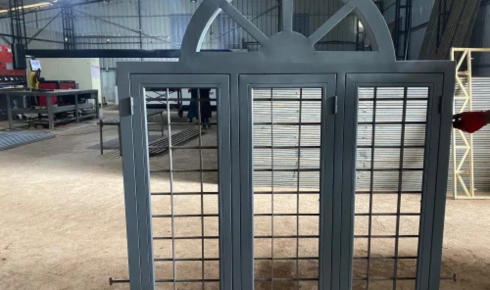
    Today, we’re not just restoring old homes—we’re designing new ones with an eye toward legacy. Homeowners are investing in materials that have both visual weight and practical value. That’s where custom iron windows come in. They allow for total design freedom—arched, oversized, geometric, minimalist, even Gothic if that’s your thing. The craftsmanship involved makes each one a kind of art piece. No cookie-cutter panels or flimsy off-the-shelf compromises here.


    More Than Just a Pretty Face

    Now, you might be wondering: aren’t iron and steel prone to rust? Fair question. While it’s true that raw metal can corrode over time, modern fabrication methods have come a long way. With powder coatings, proper sealing, and thermal breaks, you can get all the beauty of traditional metal windows without worrying about performance.

    And yes, these windows often cost more upfront than basic vinyl or aluminum frames. But think long-term. You’re not replacing them every decade. You’re not repainting, re-warping, or watching your investment yellow and crack from sun exposure. You’re choosing something built for permanence.


    The Interior Touch

    What’s also cool is that these aren’t just for exterior façades anymore. Interior designers are loving the versatility of steel and iron—using them for room dividers, wine cellars, shower enclosures, and office partitions. They let in light without sacrificing separation, and they bring that minimalist-industrial edge that’s very “now,” but also… kinda eternal?

    There’s something poetic about the way glass and iron pair up. One is fragile and luminous; the other is grounded and bold. Together, they frame not just the outside world, but moments, memories, and moods.


    Real Life, Real Results

    Let’s talk experience. My neighbor Sarah recently did a full renovation on her 1940s bungalow. She splurged on black iron windows in the front living room—a massive pane flanked by two narrow casement windows with grid lines. The result? Instant character boost. People stop and stare. More importantly, the light that floods into her home now shifts beautifully throughout the day. It’s not just a window—it’s an experience.

    Down the street, an architect buddy of mine is obsessed with steel window frames for his new-build projects. He swears by the clean lines and how they contrast with warm interiors. “They don’t shout,” he says. “They just exist with confidence.” I love that.


    Final Thoughts: Worth Every Penny

    Look—choosing windows is no small thing. It’s one of the few decisions that influences everything else: light, insulation, curb appeal, even your mood. So why not invest in something that adds both substance and soul?

    In a time when so many products feel temporary and replaceable, opting for custom iron windows is an act of intentionality. It says: “I want something real. Something that’ll stand up to time, trends, and the occasional basketball.”

  • The Unsung Heroes of the Garage: Why Precision Matters in Heavy-Duty Wheel Service

    The Unsung Heroes of the Garage: Why Precision Matters in Heavy-Duty Wheel Service

    There’s something oddly satisfying about watching a massive truck glide down the highway with all the confidence of a steel mammoth. No wobbles, no tire squeals, no clunky sways—it’s a beautiful thing. But behind that effortless motion? A whole lot of grit, patience, and often-overlooked precision happening back at the shop. And no, we’re not just talking about elbow grease and torque wrenches. We’re talking about the silent backbone of quality maintenance: good old-fashioned alignment and balance—done with the right tools, not just instinct.

    Let’s dive into a topic that doesn’t get much love outside the circles of gearheads and technicians—yet quietly keeps our roads safer and smoother: truck alignment tools, balancing cones, and all the wheel service gear that keeps the rubber meeting the road, square and steady.


    Why Alignment Isn’t Just a Fancy Term for “Straight Wheels”

    So here’s the thing—alignment isn’t just about getting the wheels to point forward. It’s about balance, handling, tire longevity, fuel economy, and yes, driver sanity. Especially with heavy-duty rigs, even a few millimeters out of alignment can wear down tires unevenly, cause drift, or make steering feel more like taming a wild bull than driving a truck.

    This is where quality truck alignment tools come into play. They aren’t just helpful—they’re essential. We’re talking about systems that use laser precision, camera-guided sensors, and digital readouts that guide a tech like a co-pilot through every critical angle—camber, toe, caster, and everything in between. These tools aren’t just upgrades—they’re the difference between a truck that runs lean and mean, and one that eats through tires like candy.


    The Overlooked Power of Balancing Cones

    Now, balancing… oh boy, balancing gets shrugged off way too often. “It’s just a quick spin and done,” they say. But let’s be real: when you’re dealing with large, heavy-duty tires, the consequences of imbalance can ripple out in ways you wouldn’t believe.

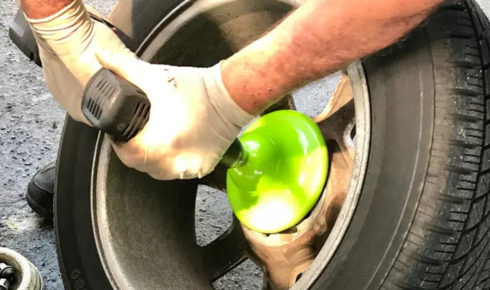
    That’s where balancing cones step in—quietly doing their job in the shadows of the shop. These little conical tools ensure that when a wheel is mounted on a balancer, it’s seated perfectly in the center. Sounds small, right? But in the world of wheel servicing, even a few grams of imbalance can lead to vibration, driver fatigue, or even premature suspension damage.

    Good cones—durable, machined to precision—make a world of difference. They cradle the wheel just right, eliminating guesswork and ensuring the readings on that balancer are dead-on. It’s the kind of small detail that separates a quick fix from a long-term solution.


    Wheel Service Equipment: The Beating Heart of Every Bay

    Every garage worth its salt has its war chest of wheel service equipment. These aren’t just fancy gadgets. They’re lifelines. From tire changers that can manhandle the stiffest sidewalls, to balancers that know more about force variation than your average physics professor, this equipment does more than assist—it elevates the entire quality of work.

    It’s easy to romanticize the grease-stained hands and raw know-how of a seasoned tech. And yeah, experience is everything. But pair that know-how with robust, reliable equipment? That’s when you get magic—jobs done faster, safer, and with precision that lasts beyond the next pothole. And let’s not even start on the savings in callbacks and redos. That kind of efficiency? It’s money in the bank.


    More Than Machines—They’re Tools of Trust

    Here’s the truth no one says out loud: when a rig hits the road, its safety isn’t just on the driver. It’s on the tech who adjusted its camber, who checked the runout, who spun that wheel on a balancer and made sure it sang smooth.

    These tools aren’t just for show. They’re guardians. And yeah, that might sound a little dramatic, but think about it—these rigs haul tons of weight at high speeds, across states, through cities, around families in minivans. There’s no margin for “good enough.” It’s either right… or it’s a risk.

    So when a shop invests in quality alignment tools, calibrated balancers, and precision cones, they’re not just investing in equipment. They’re investing in trust. Trust that every wheel is aligned true, every tire spins smooth, and every mile is one more proof of a job done right.


    Final Thoughts (or: The Next Time You See a Smooth-Rolling Rig)

    The next time you’re on the road and a truck sails past without a hint of wobble or wear, give a silent nod to the gear that made it possible. That effortless grace? That’s the result of countless moments spent measuring, adjusting, checking, rechecking.

  • Clear Water, Clear Mind: How One Small Installation Made a Big Difference in Our Home

    Clear Water, Clear Mind: How One Small Installation Made a Big Difference in Our Home


    I’ve always been one of those people who drinks a lot of water. First thing in the morning, mid-afternoon slump, post-dinner wind-down—I reach for a glass more than I reach for coffee. But somewhere along the line, I stopped enjoying it. The taste wasn’t bad exactly… just kind of stale. Flat. Sometimes with a strange aftertaste, depending on the day or the tap.

    It wasn’t until a friend handed me a glass of water from her kitchen that I realized: mine didn’t taste clean. Hers was crisp, fresh—honestly, it made me pause mid-sip. “Reverse osmosis,” she said, like it was common knowledge. That single glass kickstarted my deep dive into filters, membranes, plumbing attachments, and all the ways to make water taste like water again.

    Long story short? I ended up getting a Prior Lake MN under sink RO install, and I haven’t looked back since.


    The Little Things Add Up

    Let’s be honest—most of us don’t think about water quality unless there’s something wrong. It’s not cloudy, it doesn’t smell like sulfur, and no one’s gotten sick from it, so we let it slide. That was me, too. But then I started noticing the slow buildup on the faucet, the weird film on my tea, the way my houseplants weren’t as happy.

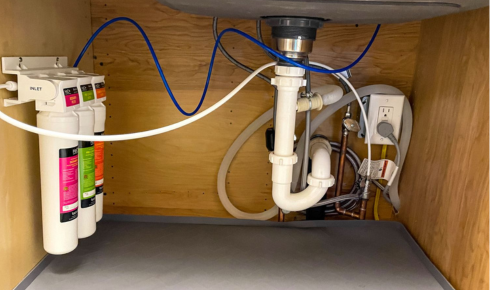
    So, after a bit of reading (okay, a lot of reading), I landed on a reverse osmosis system. Specifically, one that would fit under the sink and filter just the drinking and cooking water. I didn’t want to overhaul the whole house plumbing—just wanted better water in my glass.

    Installation was surprisingly smooth. A local pro came in, got it hooked up in under two hours, and left me with a sleek little faucet next to my main tap that delivers the kind of water you want to pour into a crystal glass—even if you’re just drinking it in your sweatpants.

    That’s the beauty of a Prior Lake MN under sink RO install—compact, efficient, and quietly life-changing.


    It’s Not Just One Filter, It’s a System

    Something I learned pretty quickly is that not all filters are created equal. A basic pitcher might take the edge off chlorine, but for the kind of results I was chasing, I needed layers—literally. That’s where a multi-stage water filtration system setup comes into play.

    The system I chose uses multiple stages: a sediment filter to catch the big stuff, a carbon block to handle chlorine and chemicals, and then the reverse osmosis membrane for the microscopic bad guys—heavy metals, fluoride, nitrates. There’s even a post-carbon filter that polishes the water before it hits your glass.

    Each stage does its part, and together they create water that just feels better. It’s hard to describe until you taste it. It’s like the difference between a grocery store tomato and one you pick from your garden.

    And yes, I know that sounds dramatic. But once you’re used to filtered water, you’ll find yourself side-eyeing restaurant water like, “Really? This?”


    A Few Unexpected Perks

    Aside from taste, I noticed some other unexpected benefits.

    First, the kettle. I used to clean it constantly—white mineral residue would build up inside every few weeks. Now? It’s stayed spotless for months. Same with the ice tray. No more cloudy cubes that taste like freezer burn.

    Second, the pets. I started giving the dog filtered water because—why not? Now he won’t drink from his bowl if I use regular tap. Spoiled? Maybe. But I get it.

    Even my houseplants are thriving. No joke—my fiddle leaf fig, which had been in a six-month sulk, suddenly sprouted two new leaves. Coincidence? Maybe. But I’m giving the RO system credit anyway.


    What Maintenance Looks Like

    One of the things that held me back was fear of upkeep. I’m not exactly a DIY enthusiast, and I didn’t want another gadget demanding my attention every month. But maintenance has been surprisingly low-key.

    Filters get swapped every 6–12 months, depending on water usage and local conditions. The membrane lasts even longer. Most systems come with easy-to-follow guides, and you can always have a local tech handle it for you if you’d rather not get your hands wet.

    It’s like changing the oil in your car—minor work for major performance.


    Final Thoughts: Totally Worth It

    If you’re living in Prior Lake or anywhere nearby, and you’ve ever second-guessed what’s in your glass, this is your sign to do something about it. A multi-stage water filtration system setup isn’t just a luxury—it’s a smart investment in your health, your home, and your everyday peace of mind.

    And if you’re like me—just someone who wants their water to taste good without fuss or flash—a well-installed under-sink RO system might be the quiet upgrade you didn’t know you needed.

    Because sometimes the biggest changes start with something as simple as turning on the tap and finally liking what you taste.

  • Clear Water, Clear Mind: One Family’s Journey Toward a Better Home Water System

    Clear Water, Clear Mind: One Family’s Journey Toward a Better Home Water System

    For most of us, water is something we take for granted—until it starts tasting odd, smelling metallic, or leaving white crusty marks on everything. That was the case in our home, tucked in the warm suburbs of Southern California. What began as a small irritation—soap not lathering well or our coffee tasting a bit “off”—turned into a bigger conversation: was it finally time for a water system upgrade?

    We weren’t chasing perfection or trends. We just wanted clean, reliable water that didn’t ruin our appliances or stain our dishes. And the more we looked into it, the clearer it became: this was about more than convenience. It was about peace of mind.


    The Realisation Hits (Usually Mid-Shower)

    You know how it goes—one day, you’re rinsing shampoo and wondering why your hair feels like straw. The next, you’re watching your toddler drink from the tap and thinking, “What exactly is in that?”

    Hard water, chlorine, sediment, even trace metals—it’s not paranoia if it’s coming from your own faucet. A friend of ours in Riverside, a DIY enthusiast who installed his own system, raved about how their skin felt better, laundry smelled cleaner, and water even tasted sweeter. That got us digging.

    We found dozens of reviews, forum posts, and water quality reports for our area. The verdict? Our water wasn’t dangerous, but it sure wasn’t ideal either. That’s when we started exploring something more comprehensive—something like a Riverside CA complete RO system that could handle the whole house.


    It’s Not Just About Drinking Water

    Most people assume water systems are all about purifying what you drink. And sure, reverse osmosis (RO) is fantastic for that—it filters out contaminants down to the tiniest particles. But when your dishes look foggy, your laundry fades faster, and your coffee machine clogs every few months, the issue’s bigger than your glass of water.

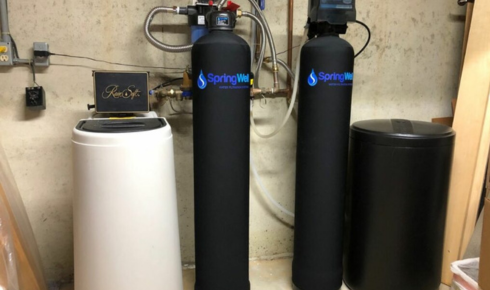
    We quickly learned the value of a softener and filter combo. That was a game-changer. The softener removed those mineral deposits that left our glasses streaky and our skin itchy. And the filter tackled chlorine and sediment from the city lines before it ever reached our pipes.

    Combining softening and filtration means you’re not just drinking better water—you’re bathing in it, cooking with it, even extending the life of your plumbing and appliances. It’s a quieter kind of benefit, the kind you notice most when it’s gone.


    Installation Isn’t as Scary as You’d Think

    We’re not exactly “handy.” The idea of retrofitting our home’s plumbing used to give us cold sweats. But here’s the truth—there are local experts who do this every day. Companies in Riverside have entire teams for installation and maintenance. They assess your home, your water quality, your budget—and match you with a setup that makes sense.

    One specialist even walked us through our water report, pointing out things we didn’t even know were measurable. Turns out, we had elevated levels of chlorine and a fair amount of calcium buildup. No wonder our dishwasher looked like a science experiment.


    Life After Clean Water

    Here’s the part no one talks about: once you upgrade your water system, it’s kind of hard to go back. Tea tastes richer. Showers feel more luxurious. Your plants don’t wilt as quickly. And you’re not scrubbing off scale marks every weekend.

    We didn’t install a fancy, overpriced unit. We just invested in something that worked. And now, when friends visit and casually sip from our tap, they often raise an eyebrow: “Wait, your tap water actually tastes good?”

    It’s one of those changes that doesn’t scream for attention—but quietly improves your everyday life.


    Final Thoughts: Is It Worth It?

    There’s no one-size-fits-all answer, of course. Every home is different. But if you’ve been googling “weird water smell” or trying every faucet filter on Amazon, maybe it’s time to think bigger.

    A Riverside CA complete RO system, when paired with the right softener and filter combo, can completely transform how your home feels. Not just for your health, but for your comfort, your appliances, and even your peace of mind.

    This isn’t a luxury—it’s a long-term solution. It’s about knowing exactly what’s in your water and choosing to make it better. Because when the water’s clean, everything else just flows easier.


    Looking to make the switch? Reach out to a local water treatment expert in Riverside today. You’d be surprised how affordable a water system upgrade can be—especially compared to the cost of replacing water heaters, dishwashers, or… your faith in tap water.

    Clean water isn’t a dream. It’s a decision.

  • Iconic Looks That Capture the Beauty of Commitment

    Iconic Looks That Capture the Beauty of Commitment

    In the world of fine jewelry, certain designs stand out as timeless symbols of love and dedication. Among these, the hidden halo style has gained remarkable popularity for its unique blend of subtlety and brilliance. This design element captures the beauty of commitment by combining classic elegance with a modern twist, making it a favorite for those seeking a meaningful yet stylish expression of their bond.

    The hidden halo is a sophisticated feature in engagement rings where a delicate ring of smaller diamonds or gemstones encircles the base of the center stone, but remains partially or completely concealed from the top view. This thoughtful design adds an unexpected sparkle that is only visible when the ring is seen from the side or in motion. The effect is both intimate and dazzling, perfectly symbolizing the layers and depth of a committed relationship.

    Iconic jewelry looks often have a lasting appeal because they balance tradition with innovation. The hidden halo does just that by maintaining the classic solitaire’s simplicity while enhancing its brilliance in an understated way. This creates a visual experience that invites closer inspection, much like the unfolding story of a lasting partnership. The hidden halo’s subtle glow offers a quiet but powerful representation of the hidden strengths and enduring beauty found in long-term commitment.

    Beyond the aesthetic appeal, rings with hidden halos often carry deeper emotional significance. The design embodies the idea that true love includes both visible moments of joy and private, cherished experiences that form the foundation of any relationship. Wearing a piece with a hidden halo can serve as a reminder of those unseen but deeply felt connections between partners.

    Another reason the hidden halo design has become iconic is its versatility. It complements various center stones, from traditional round diamonds to more unique shapes like oval, emerald, or cushion cuts. It also pairs beautifully with different metals such as platinum, white gold, rose gold, or yellow gold. This adaptability makes the hidden halo suitable for a wide range of personal styles and preferences, ensuring that the ring remains a cherished symbol throughout changing trends.

    The popularity of iconic looks like the hidden halo reflects a broader shift in how people approach commitment jewelry. More than ever, individuals are looking for pieces that tell a personal story and reflect their unique journey. Whether it’s an engagement ring, anniversary gift, or meaningful heirloom, the hidden halo adds a layer of individuality and thoughtful craftsmanship that enhances the significance of the jewelry.Visit our blog for more Yearly Magazine.

    In addition to engagement rings, the concept of the hidden halo has inspired complementary designs in wedding bands and other fine jewelry pieces. The idea of subtle brilliance that is not immediately apparent invites a deeper appreciation of the artistry and symbolism behind each item. It encourages wearers to see beauty not only in what shines brightly on the surface but also in the details that hold special meaning beneath.

    Ultimately, iconic looks that capture the beauty of commitment are about more than just style. They represent the enduring nature of love, the promise of a shared future, and the appreciation of both the seen and unseen moments that shape a relationship. The hidden halo, with its elegant concealment and radiant sparkle, embodies these qualities perfectly, making it a cherished choice for those who wish to celebrate commitment in a meaningful and memorable way.

    Choosing a ring with a hidden halo is an expression of thoughtful design and heartfelt emotion. It is a celebration of both tradition and individuality, offering a timeless symbol that honors the past, present, and future of a committed partnership. In a world where iconic looks are forever evolving, the hidden halo remains a stunning tribute to the beauty of true commitment.

  • Why Accurate Appraisal Matters In Home Transactions

    Why Accurate Appraisal Matters In Home Transactions

    Accurate appraisal is the cornerstone that supports fair home transactions and protects all parties involved. Whether you’re buying or selling, understanding the value of a property is crucial. An accurate appraisal can mean the difference between a smooth sale and costly misunderstandings. Let’s explore why this step is so essential.

    The Role Of Appraisal In Determining Home Value

    An appraisal is a professional assessment of a home’s market value. Licensed appraisers use a variety of data points like recent sales of similar properties, the condition of the home, and current market trends. This ensures that the price reflects reality, not just speculation. Without an accurate appraisal, sellers might ask too much or too little, and buyers could end up overpaying or missing out on a good deal. The appraisal brings clarity to the transaction and builds trust between parties.

    Appraisal Protects Buyers From Overpaying For Homes

    For buyers, an appraisal acts as a safeguard. It confirms that the home’s asking price is reasonable. If the appraisal comes in lower than expected, buyers have the power to negotiate or reconsider the purchase. This protection is especially important in a competitive market where emotions run high and decisions can be rushed. By relying on an appraisal, buyers avoid the trap of overpaying and secure an investment that truly matches its worth.

    Sellers Benefit From Accurate Appraisal To Set Realistic Prices

    On the other side, sellers need an appraisal to price their homes correctly. Setting a price too high can scare off potential buyers, leading to longer listing times and possible price drops later on. Conversely, pricing too low leaves money on the table. An accurate appraisal helps sellers find the sweet spot—attracting interest while maximizing returns. It also demonstrates transparency, which can build confidence in buyers and speed up the sale.

    Appraisal Is Essential For Mortgage Approval And Lending

    Lenders depend heavily on appraisals when approving home loans. Banks and mortgage companies want to ensure the property is worth the loan amount. This protects them from lending more than the home’s value, which could become a financial risk if the buyer defaults. Without an accurate appraisal, a mortgage could be denied or delayed, complicating the transaction. Therefore, appraisal is a vital step in securing financing and keeping the purchase on track.

    Market Fluctuations Highlight The Need For Timely Appraisal

    Real estate markets can change quickly. Prices might surge in some areas while declining in others. That’s why timing matters. An appraisal done too early or too late might not reflect the current market conditions. Sellers and buyers must ensure the appraisal is recent to get an accurate snapshot of the home’s value. Staying updated protects both parties from surprises and supports better decision-making throughout the transaction.

    The Trust Factor In Home Transactions Through Appraisal

    Beyond numbers, an appraisal builds trust. It shows that both buyer and seller are working with facts rather than guesses. When both parties have confidence in the appraisal report, negotiations become smoother. Misunderstandings decrease, and the risk of disputes after closing goes down. This trust lays the foundation for a successful transaction and a positive experience on both sides.

    Conclusion

    Accurate appraisal is more than just a formality in home transactions. It is a critical tool that protects buyers, sellers, and lenders alike. By providing a fair and professional estimate of a home’s value, appraisal ensures transparency and confidence. Whether setting the right price, securing a mortgage, or negotiating terms, the appraisal is key. Ignoring its importance can lead to financial loss and frustration.