Blog

  • Advantages of Choosing CNC Services Near Me With Full 5-Axis Capacity

    Advantages of Choosing CNC Services Near Me With Full 5-Axis Capacity

    Complex parts demand accuracy, repeatability, and the freedom to machine shapes that traditional setups cannot achieve. Full 5-axis machining pushes past the limits of fixed-angle work by allowing continuous movement across multiple planes. Choosing CNC services near me with this capability opens the door to cleaner surfaces, tighter details, and faster turnaround on both prototypes and production work.

    Carving Deep Undercuts and Steep Angles Without Manual Part Flipping

    Deep pockets, hidden corners, and aggressive angles are notoriously difficult on 3-axis equipment because the tool can only approach from limited directions. A full 5-axis machine avoids those restrictions by rotating the part and the spindle automatically. This movement creates access to steep angles that would otherwise require complex planning or multiple re-clamps.

    Manual part flipping introduces risks that quickly stack up. Each time a part is repositioned, alignment errors can occur, compromising high-tolerance features. CNC companies near me that operate full 5-axis machines remove this instability by cutting from all essential angles without breaking the setup, producing better accuracy and cleaner geometry.

    Shortening Tool Lengths to Stop Vibration and Boost Surface Smoothness

    Long tools are prone to vibration, which leaves marks on the surface and weakens fine features. Shorter tools, however, provide stability and allow higher feed rates. A 5-axis system positions the part so the machine can use compact, rigid tools that stay steady during aggressive cuts.

    Reduced vibration also improves the lifespan of tools. Instead of pushing a long endmill to reach a deep feature, short cutters glide smoothly with less deflection. This benefit is one reason many customers look for CNC machining near me equipped with advanced multi-axis equipment capable of producing polished results straight off the mill.

    Sculpting Organic, Curvy Shapes That 3-Axis Machines Simply Cannot Reach

    Products in aerospace, medical, and consumer markets often require smooth, flowing surfaces that must transition seamlessly from one contour to another. These organic shapes are nearly impossible to achieve with a fixed-angle 3-axis setup. A full 5-axis machine follows curved paths naturally, adjusting angles mid-cut to maintain the intended geometry.

    Curves also require continuous tool contact. A 5-axis machine can tilt automatically to keep the cutter at the perfect engagement angle. Machining services near me offering advanced contouring allow designers more freedom when creating shapes that mirror natural forms or ergonomic designs.

    Dropping Your Per-part Cost by Finishing Five Sides in One Single Grip

    Multiple setups raise labor time, introduce errors, and slow down production. Finishing five sides of a component in one grip dramatically cuts the time needed to complete a part. A single secure clamp means fewer operator interventions, shorter cycle times, and more consistency across batches.

    This efficiency often results in lower per-part costs. CNC machine company operations with 5-axis equipment complete work in fewer hours, which reduces overhead and improves delivery speed. Businesses choosing machining companies near me with this capability typically see measurable savings for both small and large runs.

    Slashing the Need for Expensive Custom Jigs That Slow down Your Project

    Custom jigs and fixtures can take days or weeks to design and build. They also add unnecessary cost to short runs or experimental designs. Full 5-axis machining eliminates much of that fixture dependency by reaching complex angles automatically.

    Minimizing fixture requirements keeps projects flexible. Instead of crafting multiple jigs just to hold a part at various orientations, the machine handles rotation and tilting on its own. CNC services near me equipped with this technology keep projects moving rather than waiting for support tooling.

    Getting Prototypes Faster Because the Mill Hits Every Face in One Go

    Prototype development thrives on speed. Designers need quick feedback on form, fit, and function before moving to the next iteration. A full 5-axis machine speeds up this loop by machining all relevant sides in the same operation.

    This capability drastically reduces queue time. Rather than waiting for multiple setups, the part is completed and ready for inspection earlier in the process. CNC machine shop near me operations with multi-axis workflows produce test parts that meet design intent without bottlenecks.

    Driving down Human Error by Cutting out Repeat Setups and Hand Alignments

    Each additional setup carries the chance of misalignment. Even a slight shift in position can ruin hole spacing, symmetry, or planar accuracy. Eliminating repeat setups significantly reduces these problems. A single fixture point keeps the coordinate system consistent from start to finish.

    Human involvement also drops, which means less manual adjustment and fewer inconsistencies. Customers looking for CNC services near me often choose 5-axis machining specifically for its reliability in maintaining dimensional accuracy across multiple faces.

    Holding Tighter True Positions Between Holes on Different Part Faces

    Parts with holes drilled on adjacent faces rely heavily on positional accuracy. A 5-axis machine calculates these placements without moving the part between setups. That precision is critical in assemblies where misaligned holes can cause failure or excess wear.

    Engineers trust this technology for parts that must maintain strict true position across multiple surfaces. By eliminating reorientation, machining companies near me deliver alignment that stays consistent from the first part to the last.

    Sweeping the Cutter Across Flats at Angles for a Better Cosmetic Look

    Cosmetic finishes matter, especially for products that remain visible to customers. By cutting flats at controlled angles, a 5-axis machine removes tool marks more evenly and creates consistent surface patterns. The angled sweeps provide a brushed or polished look that 3-axis equipment cannot match.

    Visual appeal can become a competitive advantage for finished goods. For clients seeking clean finishes directly off the machine, a CNC machine company with full 5-axis capability stands out. With advanced capabilities that shape parts efficiently and accurately, Amtec Solutions Group provides machining solutions designed to meet demanding requirements across complex geometries.

  • Exploring Indian Satta and Kalyan Result: A Look Into the Numbers Game

    Exploring Indian Satta and Kalyan Result: A Look Into the Numbers Game

    The world of number-based gambling has many faces, but in India, one of the most enduring and widely recognised forms is Indian Satta. Known for its thrilling unpredictability and massive appeal across states, Satta has grown from a niche underground activity into a more organised, though unofficial, ecosystem. Among the various Satta games, the indian satta holds a prestigious spot, with thousands of players checking the charts daily in hopes of turning their luck around.

    A Brief Overview of Indian Satta

    “Indian Satta” or “Satta Matka” originated in the 1950s and 60s, evolving from a form of betting on the opening and closing rates of cotton transmitted from the New York Cotton Exchange. Over the years, it transformed into a completely number-based game, gaining tremendous traction in cities like Mumbai, Delhi, and Gujarat.

    Despite its unofficial status, Indian Satta continues to thrive, supported by digital platforms and online results portals. The ease of accessing results online, betting anonymously, and participating via mobile apps has further fueled its growth among people from all walks of life.

    What Makes Kalyan Result Special?

    Among the various markets in Satta Matka, the Kalyan market stands as one of the most trustworthy and time-honoured. The Kalyan result is drawn twice a day – once in the afternoon and once at night – giving players two chances daily to test their fortune.

    Kalyan Matka is named after Kalyanji Bhagat, who started this format in the 1960s. It soon became known for its fixed timings, credibility, and transparency in results. To this day, players prefer this market over others because it operates on a consistent schedule, making it more predictable and manageable compared to other options.

    How the Game Works

    Satta Matka is based on selecting random numbers between 0–9. Players pick three numbers, which are then added together. The final digit of this sum becomes the fourth number, completing the set. For example, if a player chooses 3, 6, and 9, their total is 18. The fourth number would be 8, resulting in a final set of 3-6-9-8.

    Players place bets on different types of outcomes, such as single, jodi (pair), panna (three-digit combination), and more. The payouts vary depending on the bet type, making it a mix of strategy, luck, and timing.

    The Role of Online Platforms in Indian Satta

    With the evolution of the internet, the Indian Satta scene has moved online. Websites and mobile apps now allow users to:

    • Place bets securely
    • Access Kalyan result and other market results instantly
    • Analyse previous charts
    • Use tools and number predictions for better chances

    This digitisation has made Satta more accessible but also competitive. Many players follow historical trends, mathematical theories, and expert opinions before placing their bets.

    Risks and Responsible Participation

    It’s important to acknowledge that Satta Matka is not legal in many parts of India. While online platforms continue to operate in a grey area, the game carries financial and emotional risks. Many players have experienced both highs and devastating lows through their involvement.

    To play responsibly, set clear limits, never chase losses, and avoid relying on Satta as a primary income source. Treat it like a game of luck rather than a dependable strategy for wealth.

    Community and Culture

    Satta Matka, especially the Kalyan market, has developed a deep-rooted culture. There are community groups, forums, and even WhatsApp channels where players share insights, predictions, and motivational stories. This network helps maintain engagement and adds a social aspect to the otherwise solitary activity of betting.

    Final Thoughts

    Whether you’re a new enthusiast or a seasoned player, Indian Satta continues to offer a unique blend of thrill, calculation, and hope. Among the many results, the kalyan result remains the heartbeat of the game, known for its credibility and the excitement it brings every day.

  • The Surprisingly Simple Art of Keeping Your Water Softener Happy

    The Surprisingly Simple Art of Keeping Your Water Softener Happy

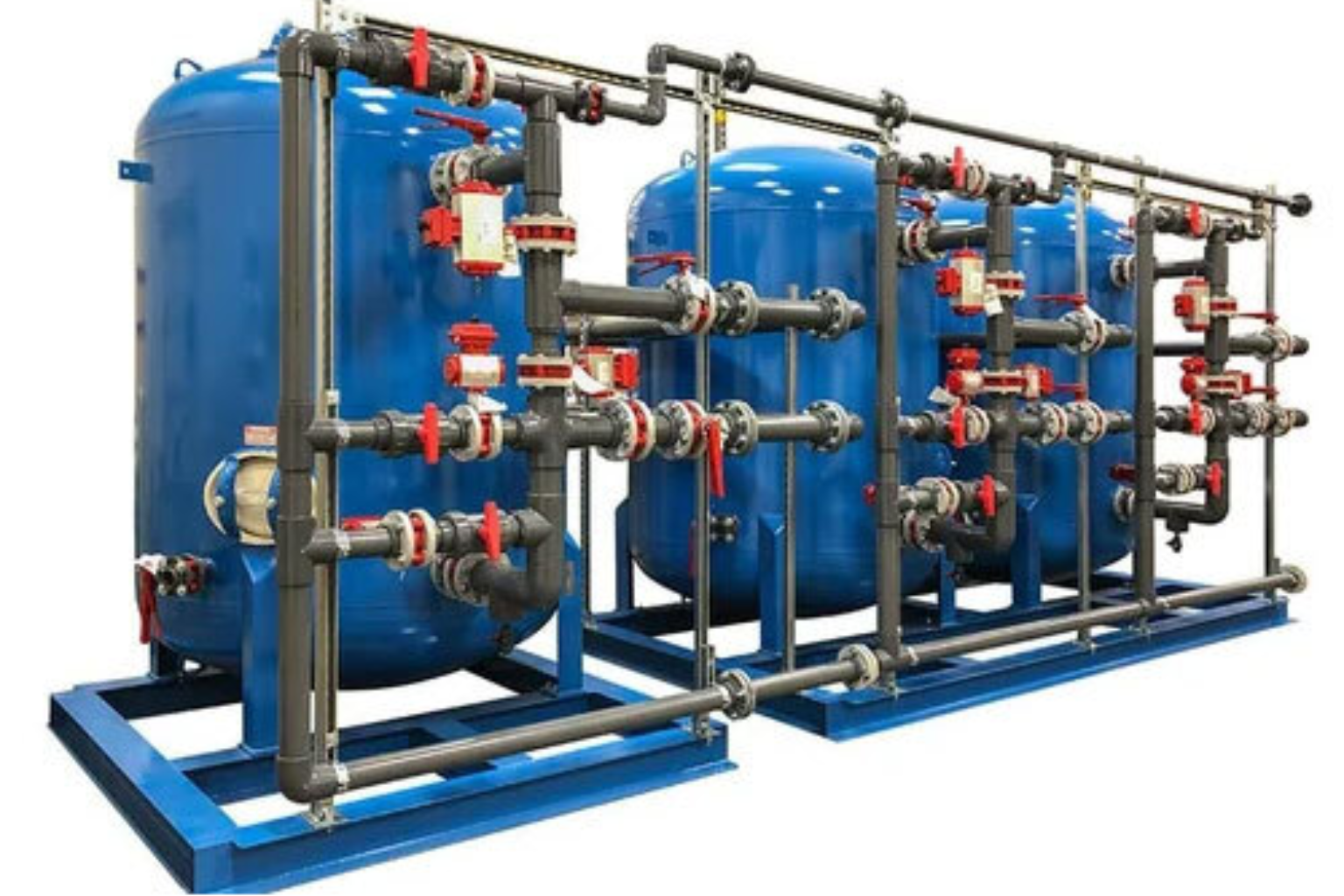
    It’s funny how some of the most important things in our homes are the ones we almost never think about. Your water softener, for example, is probably tucked away in a corner — quietly fighting the good fight against hard water. No fanfare, no constant reminders, just silent work that makes your showers smoother, your laundry softer, and your dishes sparkle a little brighter.

    But even the best systems need a bit of love. And when your softener starts acting up or your water feels a little “off,” it might be nudging you to take a peek inside the brine tank. That salt-filled tub doesn’t ask for much, but every so often, it deserves a fresh start.

    This is where brine tank cleaning comes in — a simple but powerful reset many homeowners forget about until they really need it.


    Why the Brine Tank Deserves Attention

    If you’ve never opened the brine tank before, don’t worry, you’re not behind. Most people assume the tank is self-cleaning or maintenance-free. Unfortunately, it’s not. Over time, salt can clump into bridges, water can stagnate, and sediment can turn into mush at the bottom. It’s not dangerous, but it does make your softener less effective.

    Think of the brine tank like a mixing bowl. If old ingredients stick around too long, the whole recipe gets thrown off. Your softener regenerates less efficiently, and you start noticing mineral spots and that weird “sticky” feeling on your skin after showering.


    When to Clean the Tank

    There’s no set-in-stone schedule, but most experts recommend a deep clean once a year. Homes with extremely hard water might need it twice. Trust your eyes a bit — if the salt isn’t dropping like it should, or a crust forms at the top, or there’s brownish goo at the bottom, it’s time.

    A lot of homeowners discover the need after searching “how to clean water softener tank” for the first time. The surprise is usually the same: “Wait… I was supposed to clean this thing?”

    Yep. But it’s easier than it sounds.


    Getting Started: What You’ll Need

    Nothing fancy. A bucket, a scoop, some mild dish soap, warm water, and a little patience. Maybe a long spoon for breaking up stubborn salt chunks. Optional: a wet/dry vacuum if you don’t feel like scooping water manually.

    Before touching anything, switch your system to bypass mode. This keeps water from flowing through the softener while you work.


    Step-by-Step: Cleaning Made Easy

    Start by removing old salt. If you see a hard layer — a salt bridge — gently break it apart. Once the salt is out, scoop or vacuum out any leftover water. This is the part where people sometimes wrinkle their noses. Saltwater that’s been sitting for months… doesn’t smell amazing.

    After the tank is empty, mix warm water with dish soap and scrub the inside gently. Don’t go wild; you’re cleaning, not sanding. If there’s mold or heavy grime, you can add a tablespoon of bleach to a gallon of water, swirl it around, and let it sit for about 10–15 minutes. Then rinse thoroughly — like, really thoroughly. You don’t want leftover bleach mixing with new salt.

    This entire process shouldn’t take more than an hour. And afterward, you’ll know you did a proper clean water softener tank refresh.


    Refill and Restart

    Once everything is clean and dry, refill the tank with fresh salt. Pellet salt tends to work better since it leaves less residue. Add about 3–4 gallons of water, or whatever your manufacturer recommends.

    Turn the system back on, disable the bypass, and run a manual regeneration. It helps the softener wake up again with its fresh brine mix.

    And that’s it — your system is back in business.


    What You’ll Notice After Cleaning

    Most homeowners say the difference shows up within a day or two. Water begins to feel softer again. Sinks and faucets don’t get chalky as quickly. Showers feel smoother. It’s like hitting a reset button on everyday comfort.

    Behind the scenes, your softener is also working with less strain. A clean brine tank lets it regenerate efficiently, which means less salt waste and better long-term performance.


    A Few Things People Forget

    • Use high-quality salt. Cheap rock salt is tempting, but it contains more dirt and minerals that create sludge faster.
    • Humidity matters. If your softener lives in a humid space, salt clumping happens more often.
    • Don’t overfill the tank. Keep salt halfway full — never to the top. Airflow matters.
    • Peek monthly. Not to clean, just to observe. A two-second glance can prevent a big mess.

    Why This Little Task Makes a Big Difference

    A water softener is one of those appliances that quietly improves the quality of daily life without you noticing. But the moment it stops functioning right, everything feels slightly harder — literally and figuratively.

    Cleaning the brine tank may not sound glamorous, but it’s a fast way to restore performance, protect your plumbing, and extend the life of a unit you rely on more than you realize.

    And the truth is, the more you learn, the easier maintenance becomes. The first time you clean the tank, it feels like a project. The next time? It’s a simple weekend chore.


    Final Thoughts: Take the Hour, Save the System

    If you’ve been putting it off, or if you didn’t know cleaning was even necessary, consider this your friendly nudge. Brine tank care isn’t complicated. It’s not something that needs a technician or a full day off. It’s short, simple, and oddly satisfying.

  • Clearer Water, Cleaner Life: A Houston Homeowner’s Journey to Better Water

    Clearer Water, Cleaner Life: A Houston Homeowner’s Journey to Better Water

    Let’s talk about something that quietly impacts nearly every part of your daily routine: water. You drink it, cook with it, bathe in it, and wash your clothes with it. It touches your skin more times a day than you probably even realize. But here’s the kicker—most people never stop to ask: Is my water actually doing me any good?

    I mean, really think about it. Ever felt like your skin was getting drier than it should? Wondered why your coffee doesn’t quite taste the way it used to? Or maybe you’ve started noticing a chalky film building up on your faucets and glassware. These aren’t just annoying quirks—they’re often signs that your water isn’t as clean or balanced as it could be.

    And if you’re living in Texas, especially the Gulf region, you’ve likely heard the whispers about Houston water solutions making waves across neighborhoods. So, what’s the big deal? Let’s dive in.


    Water That Doesn’t Lie—But Might Be a Little Rude

    Houston’s water isn’t the worst in the country, not by a long shot. But it’s also no saint. It’s hard—meaning packed with calcium and magnesium—and can carry a medley of additives from the municipal treatment process. Chlorine? Check. Sediment? Sometimes. That faint metallic aftertaste? Yeah, it’s not your imagination.

    And the signs creep in slowly. You’ll spend extra on shampoo because it just won’t lather right. Or notice that your white towels start turning dull and rough. It’s not that you’re doing anything wrong—your water just needs a bit of help.


    Starting at the Source: It’s Not Just a Faucet Issue

    The thing about water is, the problem doesn’t start at the showerhead or the sink. It starts way back—at the point where water enters your home. That’s where the fix should begin too. So rather than throwing money at fancy shower filters or replacing appliances too often, a smarter move is to look at the whole system.

    And that’s exactly why more homeowners are turning to whole‑house filtration systems. Think of them like bodyguards for your home’s water supply. They screen out sediment, chlorine, bad smells, and even some contaminants before the water ever reaches your kitchen or laundry room. It’s like pressing reset on your water’s attitude.


    Installing Peace of Mind—One Soft Drop at a Time

    If there’s one thing hard water is known for, it’s the quiet chaos it causes. Your skin gets itchy. Your clothes wear out faster. Your pipes get gunked up with mineral buildup that shortens appliance lifespans.

    But here’s the good news: you don’t have to live like that.

    Enter water softener installation, the unsung hero of household comfort. Once a softener system is in place, you can practically feel the difference overnight. Soap works better. Showers feel smoother. Your water heater doesn’t have to fight a layer of limestone just to function.

    And let’s be honest, who wouldn’t want to cut down on repair bills, improve efficiency, and make every rinse cycle feel like spa treatment for your home?


    Personal, Not Generic—Why Local Water Expertise Matters

    Now, here’s a fun fact: not all water is created equal. Even across Houston, different neighborhoods have different water profiles. That means what works for someone in The Heights might not work for someone down in Pearland.

    That’s why going local matters. Working with someone who specializes in regional systems can make all the difference. They’ll analyze your home’s water with a fine-tooth comb, point out issues you never knew existed, and tailor solutions that make sense—without overselling or overcomplicating things.

    Forget the big-box “one-size-fits-most” kits. Real water improvement starts with real knowledge of local issues. And in Houston? There’s plenty to know.


    Not Just About Taste: The Bigger Picture

    So, is this just about better-tasting water? Not even close.

    This is about protecting your home. It’s about extending the lifespan of your appliances, reducing energy costs, and creating a healthier environment for your family. When you filter out impurities before they enter your living space, you’re doing more than sipping cleaner water—you’re building a home that feels better to live in.

    It’s also about peace of mind. You shouldn’t have to second-guess every glass of water or wonder why your dishwasher keeps underperforming. With the right setup, water becomes one less thing to worry about.


    A Solution That Evolves With You

    What’s even better? These systems aren’t static. Many modern water solutions are modular, which means they can evolve with your needs. Start with softening, and later add filtration for iron or chlorine. Maybe toss in a UV light system if bacteria is a concern, or a drinking water station with ultra-precise filters.

  • An Online Trading App for Stocks and Mutual Funds in India

    An Online Trading App for Stocks and Mutual Funds in India

    Digital platforms have caused a shift in how investors transact in financial markets. One can now buy or sell equities and track one’s mutual funds and portfolio along with research services-all at One Online Trading App India. Since Mutual Funds enjoy widespread popularity, selecting an app that permits both stocks and fund investing can help build a balanced portfolio with the management being smooth and within reach.

    Why Use an Online Trading App

    Online trading would streamline the entire chain-starting with setting up the account, transferring funds, ordering, and portfolio tracking, Finally, not restricted to location, but time, Indian users can trade or invest funds on whatever moment they like anywhere. Instead of having to use one online platform for each of these categories, the same app handles equity trades and fund subscriptions because it’s both stocks and funds.

    When an Online Trading App supports both segments, users can view their entire portfolio, which consists of stocks and mutual funds on a single dashboard, compare the performance across their assets types, and dynamically manage their asset allocation.

    Integrating Stocks and Mutual Funds

    Stocks enable an investor to hold a part in the listed companies and grow along with them either through capital appreciation or dividends. Online platforms would provide real-time access to markets, detailed company data, and order management tools for equity trading.

    For instance, the investor might decide to actively trade in specific blue-chip stocks while regularly investing in a balanced mutual fund. The integrated app then illustrates how such types of assets are allocated alongside helping keep things balanced.

    Key Characteristics to Look for

    An advanced Online Trading App must be:

    • Unified Dashboard: All stocks, holdings of mutual funds, pending orders, and performance in one view.
    • Market Access: It allows real-time stock quotes, updates accrued NAV of funds, fund category assignments, and recent performance metrics.
    • Order Capabilities: Buy and sell stocks, subscribe or redeem mutual funds, and set up systematic investment plans (SIPs).
    • Research and Insights: Company financials, sector research, fund fact sheets, risk ratings, and portfolio summaries.
    • Notifications and Alerts: Triggers for stock price alarms, NAV updates for funds, portfolio drift alerts, or changes in fund categories.
    • Portfolio analytics: It determines returns, compares asset classes, reviews fund holdings and equity exposures, and searches for rebalancing opportunities.

    Investors earn from a situation where portfolio management becomes proactive rather than reactive as the relevant data surfaces up and there is a prompt review on demand.

    Advantages of Using One Platform

    Using the same application for stocks and mutual fund investments would reap several benefits for investors:

    • Convenience: One login, one interface, one repository of holdings rather than juggling multiple accounts.
    • Cost Efficiency and Time Efficiency: Overhead paper burden and number of accounts that may not be needed in reality have been decreased. All the funds and transactions go through one platform to serve all purposes.
    • Holistic View: Stocks and funds side-by-side allow users to preview in real time performance, risk exposure, and asset allocation.
    • Integrated Strategy: The ability to have an intelligent, planned strategy that combines active trading of stocks and passive investing through funds, which allows the investors to change their strategies dynamically with changing goals or changing market conditions.

    How to Jump Start

    • Download an Online Trading App, which includes equities and mutual funds, complete the KYC process.
    • Securely connect your bank account or wallet for fund transfers.
    • Find stock market data and mutual fund categories; capital allocation between active trades and regular investments into funds will be established.
    • Establish SIPs in mutual funds if you aim for steady accumulation; however, for stocks, diversification and research should be considered before placing orders.
    • Keep on checking the performance of both trade stocks and fund subscriptions. Use analytics to identify the right moment to rebalance or shift allocations.

    Vital Points

    Digital investing may not give all the bells and whistles of an investing convenience without also being delicate to risk. Stocks have potential downfalls with possible market volatility, and they’re not worth today’s buy without having to research each trade. Mutual funds need tracking by an average investor because they are managed by professionals; thus performance, expense ratios, and scheme objectives need to be monitored. An Online Trading App won’t eliminate risk from the investors’ side, but it can enable the users with visibility and tools to manage it.

    Conclusion

    The Online Trading App that can support buying and selling both equities and mutual funds has, in fact, become a must-have for the Indian investor in desire of flexibility, control, and simplicity. The combination of stock trading functions with mutual fund access on the platform speaks to investment in a balanced manner—active participation with stocks, steady accumulation through funds. With real-time data, research, and in-built analytics, investors can manage their holdings and realign strategies with their financial goals. Bracketed by an ever-changing market, one app houses stocks and funds, on-demand stringent portfolio oversight and an adaptable investment blueprint.

  • Handmade creations bringing authenticity back into fashion

    Handmade creations bringing authenticity back into fashion

    In a world dominated by mass-produced clothing and fast fashion, there is a growing movement towards individuality and authenticity in personal style. Handmade creations are increasingly at the forefront of this shift, offering fashion enthusiasts unique pieces that carry the mark of human craftsmanship. Designers like lily arkwright are leading the way, emphasizing the value of artisanal work in an industry often criticized for its uniformity and lack of originality. Each handmade item tells a story, connecting the wearer to the maker and imbuing garments with a sense of identity that machine-made fashion struggles to replicate.

    The appeal of handmade fashion lies in its uniqueness. Unlike mass-produced items that flood the market and create a homogenized look, handmade pieces are often one-of-a-kind or produced in limited quantities. This exclusivity allows individuals to express their personal style more authentically. Small imperfections or subtle variations in these creations are celebrated as evidence of genuine craftsmanship, setting them apart from the perfect, repetitive patterns churned out by automated production lines. These qualities are especially important in an era where consumers are increasingly seeking meaning and sustainability in their purchases rather than simply following trends.

    Sustainability is another critical aspect driving the popularity of handmade fashion. The fast fashion industry is notorious for its environmental impact, from excessive water usage to chemical pollution and textile waste. Handmade creations, on the other hand, often prioritize ethical production methods, environmentally friendly materials, and slow, deliberate processes. Artisans carefully select fabrics and construction techniques that reduce waste and support local communities. By choosing handmade items, consumers contribute to a more sustainable fashion ecosystem, one that values quality and longevity over disposable clothing.

    Beyond sustainability, handmade fashion fosters a deeper appreciation for the skills and creativity involved in garment-making. Each stitch, pattern, and embellishment reflects hours of careful labor, showcasing the artistry that goes into the piece. This focus on craftsmanship resonates with a growing audience of consumers who are tired of mass-market uniformity and seek products with a human touch. It also allows artisans to innovate freely, combining traditional techniques with modern aesthetics to create truly original designs. As a result, handmade fashion not only reinvigorates classic methods but also introduces fresh perspectives to contemporary style.

    The rise of handmade fashion also signals a cultural shift in how society values individuality and authenticity. Wearing a handmade garment is more than a fashion choice; it is a statement about personal values and identity. It represents a conscious decision to support artistry over automation, quality over quantity, and creativity over conformity. The movement has been bolstered by platforms and communities that celebrate and sell handmade goods, allowing artisans to reach audiences worldwide while maintaining the integrity of their craft.

    Moreover, handmade creations offer versatility that mass-produced clothing often lacks. Customization, attention to detail, and adaptability are hallmarks of artisanal design. Buyers can often commission pieces tailored to their measurements, preferences, and lifestyle, resulting in a wardrobe that fits not only the body but also the personality. This approach transforms clothing from a functional necessity into an intimate form of self-expression.

    In conclusion, handmade creations are bringing authenticity back into fashion by emphasizing individuality, sustainability, and craftsmanship. Designers like lily arkwright exemplify the movement toward meaningful, artful clothing that stands apart from mass-market offerings. In embracing handmade fashion, consumers reconnect with the human story behind each garment, rediscovering a sense of value, creativity, and authenticity that has long been overshadowed by the fast fashion industry. This shift suggests that the future of fashion may increasingly celebrate the skill, passion, and personal touch that only handmade creations can provide.

  • Aluminium Scrap Recycling: Buyers, Process, and Profitability

    Aluminium Scrap Recycling: Buyers, Process, and Profitability

    Aluminium recycling is one of the most energy-efficient industrial processes using up to 95% less energy than producing aluminium from bauxite. In fact, recycling one tonne of aluminium saves 8 tonnes of bauxite, 14,000 kWh of energy, 40 barrels of oil, and 7.6 cubic meters of landfill space.

    Even a single recycled aluminium can is powerful enough to run a 100-watt bulb for almost four hours, highlighting the extraordinary efficiency of this material.

    As India accelerates its sustainability goals, the aluminium recycling ecosystem is expanding rapidly—driven by automotive, construction, electrical, packaging, and infrastructure growth. Businesses and individuals are increasingly searching for aluminium scrap buyers, reliable processors, and organised recyclers.

    Whether you’re looking for aluminium scrap importers in India or evaluating the broader scope of aluminium recycling, understanding the ecosystem helps maximise value and tap into a future-ready market.

    Who Buys Aluminium Scrap in India?

    The market for aluminium scrap is supported by a diverse set of aluminium scrap buyers, each playing a key role in India’s circular economy:

    1. Refiners and Remelters

    These buyers convert aluminium scrap into high-purity ingots, slabs, or billets. Because of their large-scale operations, they seek consistent volumes of clean, sorted scrap and often supply to high-tech industries requiring premium alloys.

    2. Manufacturers

    Automotive, construction, infrastructure, consumer goods, and packaging manufacturers purchase recycled aluminium to reduce costs and lower their carbon footprint. Their need for lightweight, durable and eco-friendly materials keeps demand steady.

    3. Scrap Merchants and Processors

    Often the first touchpoint for individuals selling scrap, these intermediaries collect, sort, and supply scrap to larger recyclers. Their networks form the backbone of the local collection ecosystem.

    4. Government Agencies

    Disposed or auctioned government scrap – vehicles, electrical parts, and outdated machinery also enters the recycling chain through authorised channels.

    Together, these groups create strong and growing demand among aluminium scrap buyers across India.

    How Aluminium Recycling Works?

    Here’s a simplified overview of aluminium recycling in India:

    1. Collection (New vs Old Scrap)

    Aluminium scrap comes from two key sources:

    • New scrap: Clean manufacturing leftovers like sheet cuttings and extrusion offcuts. Since their composition is known, smelters can recycle them directly.

    • Old scrap: Used beverage cans, window frames, cables, vehicle parts, etc. These require sorting and cleaning due to contamination.

    Scrap is collected from households, industries, scrap dealers and municipal systems.

    2. Sorting

    Scrap is separated into coated(painted/lacquered) and uncoated aluminium. Contaminants like plastic, paper, steel and dust are removed.

    3. Pre-Processing

    The sorted scrap is baled, cleaned, and shredded to reduce size and remove oils, chemicals, and coatings. Advanced plants use thermal or mechanical decoating systems for maximum purity.

    4. Melting and Re-Alloying

    • Uncoated scrap goes straight into remelter furnaces.
    • Coated scrap is first processed in a rotary furnace before melting.

    Impurities like steel are skimmed off. Recyclers then adjust alloy compositions to meet industry-specific standards, supported by spectrometric and tensile testing.

    5. Casting

    Molten aluminium is cast into ingots, billets or slabs, or supplied directly as liquid metal to manufacturers, thereby eliminating re-melting and saving energy and cost.

    Profitability of Aluminium Scrap Recycling

    Running a successful aluminium recycling operation depends on three critical factors:

    #1: Market Prices and Demand

    Aluminium scrap pricing follows global trends. When demand increases in automotive, infrastructure, or EV sectors, margins strengthen. India’s aluminium consumption growth ensures a long-term, stable market for recyclers. Industry reports estimate that the global aluminium recycling market will surpass USD 120 billion by 2030, growing at a CAGR of around 7% between 2025 and 2030, signalling sustained long-term profitability.

    #2: Quality of Recycled Output

    Higher-quality recycled aluminium fetches premium prices and unlocks access to specialised sectors like aerospace, electronics, and high-performance automotive components.

    #3: Operational Efficiency

    Energy consumption during melting, transportation costs, labour, and plant efficiency directly impact profitability. Well-run facilities maintain healthy margins even during price volatility.

    Businesses that optimise logistics, upgrade technology, and maintain consistent scrap quality typically achieve the highest profit margins.

    The Future of Aluminium Recycling in India

    India’s aluminium demand is projected to soar due to urbanisation, renewable energy expansion and the rise of electric mobility. This makes aluminium recycling essential not just for business, but for national resource security.

    In this evolving landscape, large integrated recyclers play a pivotal role. Jain Metal Group, one of the most established names in India’s non-ferrous recycling industry, continues to expand its aluminium recyclingcapabilities alongside copper, lead, cable, and multi-material recycling.

    With advanced technology, end-to-end processing, and global sourcing expertise, the Group is helping shape a future where efficient aluminium recycling strengthens India’s circular economy while supporting sustainable industrial growth.

  • What Documents Are Non-Negotiable for CMMC Level 2 Compliance?

    What Documents Are Non-Negotiable for CMMC Level 2 Compliance?

    A shift toward stronger federal security expectations has pushed contractors to take documentation more seriously than ever. The organizations aiming for CMMC Level 2 compliance quickly learn that paperwork is not busywork—it’s proof of how they protect Controlled Unclassified Information (CUI). Preparing these documents early shapes the entire assessment experience and determines how smoothly the verification process unfolds.

    System Security Plan (SSP) That Explains How You Protect Controlled Unclassified Information

    The SSP sits at the center of the CMMC level 2 requirements because it lays out how your environment is structured and how security measures are applied. It explains each system boundary, what data is stored or transmitted, and which CMMC Controls protect that information. Assessors from a C3PAO depend on this document to understand your architecture before reviewing any other evidence.

    Many organizations underestimate how detailed the SSP must be. Assessors expect clarity on configurations, technologies used, and policies tied directly to CMMC compliance requirements. It’s also one of the first documents reviewed during a CMMC Pre Assessment performed by a CMMC RPO or consultants offering compliance consulting services.

    Plan of Action & Milestones (POA&M) Documenting Gaps and How You’ll Fix Them

    A POA&M outlines the remaining gaps between your current environment and full CMMC level 2 compliance. It documents each deficiency, the planned fix, the expected completion date, and the resources assigned. This transparency helps assessors understand your readiness and whether identified gaps fall within acceptable limits of the current CMMC rules.

    Unlike internal checklists, the POA&M is structured to demonstrate measurable progress rather than vague intentions. CMMC consultants frequently help contractors build POA&Ms that align with the CMMC scoping guide and that address Common CMMC challenges without overlooking dependencies or technical hurdles.

    Access Control Policy Showing How You Limit User Access to Sensitive Data

    An access control policy outlines how permissions are assigned, revoked, and reviewed. This matters because improper access management is one of the most common audit failures. The policy should describe procedures such as least privilege, multi-factor authentication, and account lifecycle management. Assessors will compare your written access control policy against actual system settings. That’s where preparing for CMMC assessment requires honest evaluation—if the policy promises something your systems don’t enforce, the gap becomes immediately visible. Government security consulting teams often flag these mismatches early so remediation can happen before the official review.

    Incident Response Plan Laying out How You Detect, Respond to and Recover from Events

    An IR plan is mandatory because CMMC security focuses heavily on resilience. The plan should describe how incidents are identified, escalated, contained, investigated, and documented. It must also cover communication procedures and post-incident review processes.

    This document needs to be actionable, not theoretical. Assessors typically ask for logs from past drills or real events to confirm the plan is used in practice. During an Intro to CMMC assessment workshop, contractors often discover their IR plans are outdated or too generic to satisfy the CMMC level 2 requirements.

    Configuration Management Procedures Detailing How Changes Are Tracked and Controlled

    Configuration management shows how systems are kept secure over time. The procedures should define how updates are approved, tested, deployed, and recorded. They also explain how unauthorized changes are prevented or detected. Assessors often request change tickets or version histories to confirm that configuration management procedures are followed consistently. This is one area where consulting for CMMC helps contractors build repeatable processes instead of relying on informal habits that can’t be defended during assessment.

    Media Protection Policy Covering How You Handle and Dispose of Media Containing CUI

    Media protection is broader than people expect; it covers everything from USB drives to printed documents. The policy explains how CUI is stored, transported, encrypted, and destroyed. Any contractor handling physical or digital media needs documented procedures to prevent unauthorized disclosure. Assessors often look for chain-of-custody logs, destruction records, or device inventories to confirm the policy is followed. Organizations without strong media protection practices frequently discover this gap during early compliance consulting engagements.

    Security Awareness and Training Records Proving Your Workforce Is Trained on CUI Risks

    Training records prove that staff understand CUI handling requirements and security expectations tied to CMMC Controls. These records typically include completion logs, training materials, and schedules. They show whether employees received annual training and whether specialized roles received additional instruction.

    This documentation is mandatory because user errors remain a major source of breaches. CMMC RPO teams often assist in designing training content aligned with CMMC level 1 requirements and the more advanced requirements of level 2.

    Audit Logging and Monitoring Logs Showing Your Systems Are Monitored for Unauthorized Activity

    Audit logs validate your ability to detect suspicious or unauthorized behavior. Logs should be detailed, centralized, and retained according to CMMC compliance requirements. Assessors might request months of logs to ensure your monitoring tools function consistently.

    Real-time monitoring plays a key part in Preparing for CMMC assessment because it demonstrates your environment is not only secure but observable. Contractors typically rely on SOC services or automated tools to maintain logs, especially when tracking CMMC level 2 compliance across hybrid environments. MAD Security supports organizations pursuing Level 2 readiness by offering assessments, policy development, monitoring services, and guidance aligned with current CMMC expectations.

  • How SATTE 2026 Will Foster International Collaborations and Trade Opportunities

    How SATTE 2026 Will Foster International Collaborations and Trade Opportunities

    Picture this: one venue, three days, and the entire global travel industry under one roof. The upcoming SATTE Delhi 2026 is designed not just as a travel fair but as a high‑impact deal‑making arena.

    First off, with over 75 country pavilions lined up, you’ll find national tourism boards, trade commissioners and visa desks all set to clear MoUs, draft agency listings and strike partnerships on the spot. The idea: skip months of follow‑up and close deals during lunch breaks.

    Next, the pre‑scheduled B2B “speed‑dating” engine kicks in. Prior editions logged tens of thousands of meetings with conversion rates nearly double global averages, so you come with purpose, not just brochures.

    Then there’s the hosted‑buyer programme. More than a thousand international buyers (airlines, OTAs, MICE houses, resorts) will attend with mandates and budgets. You’ll meet people who are actually ready to buy, not just look around.

    On top of that, the venue is co‑located with niche twin shows: travel‑tech, eco‑stays, wellness, and MICE. One morning, you might map a bed‑bank deal, a carbon offset API and a charter‑partner contract, all inside the travel exhibition framework.

    And because it’s host to dedicated boardroom suites, e‑signature desks and policy‑investment corridors (“Africa Rising”, “Gulf Luxury Track”), you can walk in and walk out with signed contracts, not just business cards.

    So, if your 2026 growth strategy includes words like “new source market”, “joint venture overseas” or “tech‑powered travel product”, this travel fair stops being optional, it becomes essential. Arrive ready to collaborate, partner and transact. Because at SATTE Delhi 2026, the world of travel trade will meet, move, and make deals.

  • Moisture Vapor Thresholds Checked in Home Repair Near Me Bathrooms

    Moisture Vapor Thresholds Checked in Home Repair Near Me Bathrooms

    Bathroom failures rarely start with tile, grout, or plumbing—they start with moisture levels no one measured early enough. In Huntsville’s humid climate, a bathroom remodel isn’t considered stable until every substrate, assembly, and enclosure passes moisture standards that are stricter than most homeowners expect. These thresholds decide whether a bathroom lasts 20 years or collapses into callbacks, mold complaints, and rebuilds.

    Acceptable Vapor Limits for Tile Floors and Wet Walls

    Tile floors and shower walls must meet a maximum vapor emission rate before adhesives or thinset can be applied. Industry standards typically call for moisture vapor emissions under 3 lbs per 1,000 sq. ft. per 24 hours for most tile assemblies, though polymer-modified mortars may tolerate slightly higher. Exceeding these limits leads to bond failure, tile tenting, or hollow-sounding sections that loosen months later. Huntsville general contractors routinely test using calcium chloride or digital probes rather than relying on surface dryness, which often lies.

    The layers below the tile matter more than the tile itself. Cement board, waterproof membranes, and joint seams must also fall within acceptable vapor ranges before tile work begins. Even a perfectly installed tile job will detach if moisture pushes upward behind it. This is why remodeling contractors in Huntsville AL often test multiple points across a floor rather than a single reading.

    Ideal Humidity Range Before Backsplash Installation Begins

    Interior humidity should stay between 35% and 55% before backsplash materials are set. Higher levels slow adhesive cure time and can trap moisture behind splash zones near sinks, allowing swelling behind drywall or cement board. Lower humidity, while less harmful, can pull moisture too quickly from setting compounds, weakening bond strength.

    Timing also plays a role during seasonal swings. Huntsville’s summer humidity regularly climbs high enough to delay backsplash scheduling until HVAC and ventilation stabilize air moisture. Remodeling near me projects increasingly track ambient humidity with digital meters instead of assuming indoor air is safe once the bathroom “feels dry.”

    Subfloor Moisture Limits That Prevent Future Buckling

    Wood subfloors require a moisture content below 12% before bathroom flooring installs, with less than a 2% variance between the subfloor and finished floor material. Anything higher invites cupping, buckling, joint expansion, and long-term movement under tile or floating floors. Moisture imbalances are one of the top failure points seen in home repair in Huntsville AL bathroom rebuilds.

    The challenge is that subfloors often dry unevenly. Corners near plumbing penetrations, tub traps, or toilet flanges hold moisture longer than open field areas. General contractors near me check those high-risk zones separately because a single high reading can indicate trapped water that will migrate upward after installation.

    Readings Required Before Sealing a Freshly Poured Shower Base

    A newly poured shower base, whether mud bed or self-leveling compound, must reach internal curing moisture levels before sealing membranes are applied. Trapped moisture below a waterproof barrier can lead to efflorescence, odor, or mold inside the mortar bed. Acceptable moisture levels vary, but readings must show a steady decline pattern—not just a surface-dry crust. The curing process depends on thickness, temperature, and air movement. Thicker beds require longer dry-down periods, sometimes multiple days beyond visual dryness. Home repair near me crews confirm stability using pinless and penetrating meters to avoid sealing in moisture that later has no escape path.

    Wallboard Saturation Levels That Trigger Material Replacement

    Gypsum drywall begins losing structural integrity once moisture content exceeds 1%–2% over ambient baseline, and mold colonization risk increases rapidly beyond 16%–18%. Anything at or above those saturation levels is removed, not dried and saved. Even moisture-resistant drywall is not designed to recover from prolonged saturation in wet zones.

    Cement backing boards tolerate higher moisture but are still checked for trapped vapor behind them. Replacement decisions consider duration of exposure, discoloration, swelling, and fastener holding strength. Remodeling contractors replace compromised wall assemblies rather than risk hidden swelling that may show weeks after finishes install.

    Ventilation Benchmarks Needed Before Finishing Paint Is Applied

    Bathrooms must reach proper air exchange rates before paint coatings are applied, typically verified by CFM performance of exhaust fans and measured humidity stability during a 20–30 minute closed-room test. High humidity during paint curing creates adhesion problems, streaking, extended outgassing, and a softened finish that scuffs easily.

    A stable bathroom should return to baseline humidity levels within 15–20 minutes after a hot shower simulation. This benchmark confirms that ventilation performance matches the moisture load of the space. Huntsville general contractors often increase duct diameter, shorten vent runs, or replace fans that move less air than advertised.

    Safe Moisture Margin for Mounting Vanities and Trim

    Wood vanities, MDF trim, and bathroom millwork should not be installed when surrounding materials exceed 10%–12% moisture content. Wood absorbs moisture fast and shrinks slowly, which leads to warping cabinet boxes, splitting joints, or cracked caulk lines where trim meets walls.

    The goal is equilibrium, where installed materials and surrounding substrates fall within 2%–4% of each other in moisture content. This prevents post-install movement. General contractors in Huntsville AL often stage cabinetry in the home before install to acclimate materials and prevent expansion surprises.

    Thresholds That Determine When Air Movers Are Still Required

    Air movers remain in place until moisture readings plateau across repeated 24-hour checks. Drying is considered complete when moisture reduction stops—not when it first enters an acceptable range. Premature removal of air movement is one of the most common reasons bathrooms show elevated moisture again after work resumes.

    Residual humidity pockets linger behind tubs, in insulation bays, and inside plumbing wall cavities. Fans and dehumidifiers must run long enough to equalize those zones as well. Remodeling in Huntsville AL often includes extended drying cycles due to the region’s outdoor humidity slowing evaporation rates indoors.

    Bathroom moisture thresholds determine the difference between a remodel that performs and one that eventually fails beneath the surface. Hoover General Contractors provides moisture-verified repair and remodel services designed to exceed critical thresholds before materials are installed.