Early toe pain often feels easy to brush aside. A little soreness near the nail edge can seem temporary, especially after a long day on the feet. Trouble starts when subtle changes signal that the issue is no longer minor and may need attention beyond home care.
Increasing Pain That Doesn’t Ease with Simple Home Care
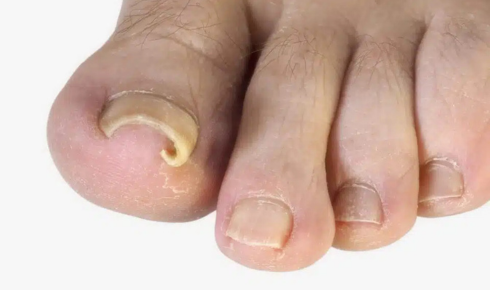
Mild ingrown toenails usually respond to basic steps like soaking, wearing open-toed shoes, or adjusting nail trimming habits. Pain that fades within a day or two typically stays in that mild category. The warning sign appears when discomfort becomes sharper or more constant despite these efforts. As pressure increases, pain may shift from dull soreness to a pulsing or stabbing feeling with each step. Sleep may become difficult because even light contact with sheets irritates the toe. At this point, many patients begin searching for an ingrown toenail doctor after realizing routine care no longer brings relief.
Swelling That Spreads Beyond the Edge of the Toe
Localized swelling limited to the nail corner often settles with rest. Concern grows when swelling expands across the toe or reaches the base of the nail. This broader inflammation suggests deeper tissue involvement. Once swelling spreads, circulation around the toe becomes compromised, slowing healing. Shoes that once fit comfortably start causing pressure pain. A Huntsville ingrown toenail doctor frequently sees this pattern as a sign that the body is struggling to contain the irritation on its own.
Persistent Redness That Keeps Getting Darker or Wider
Temporary redness is common with irritation. It becomes a red flag when the color deepens or extends farther from the nail edge over several days. This change often signals inflammation progressing beneath the skin. Darker redness may also feel warm to the touch and remain visible even after resting the foot. As redness spreads, the risk of infection increases, making professional ingrown toenail removal more likely to prevent worsening symptoms.
Drainage of Pus or Foul-smelling Fluid from the Nail Area
Clear fluid may appear early during irritation, but cloudy discharge or pus is a different matter. This type of drainage usually indicates infection and should not be ignored. Odor often accompanies bacterial growth within the nail fold. Once drainage appears, home treatments can trap bacteria rather than resolve it. This is one of the clearest signs that an ingrown toenail removal doctor should evaluate the toe to stop infection from spreading to surrounding tissue.
Skin Growing over the Nail Edge Instead of Calming down
Healthy skin settles once pressure is relieved. A concerning change occurs when the skin thickens and starts overlapping the nail edge. This overgrowth blocks the nail’s natural path. As the nail continues growing, it presses into this excess skin, increasing pain and inflammation. Over time, this cycle repeats with each step, making ingrown toenail removal near me a common search for those experiencing this issue.
Warmth Around the Toe That Signals Possible Infection
Heat around the toe is often overlooked, yet it provides valuable clues. Warmth compared to surrounding toes usually points to increased blood flow from inflammation or infection. That warmth may remain even after removing shoes and resting. Combined with redness or swelling, it suggests the body is actively fighting irritation. At this stage, care from an ingrown toenail doctor can help prevent further complications.
Difficulty Walking Because of Pressure or Sharp Discomfort
Pain that alters walking patterns is never a minor issue. Limping or shifting weight to avoid pressure strains other joints and muscles. This adjustment often happens gradually as discomfort worsens. Sharp pain during push-off or toe flexion signals deeper nail involvement. Many cases requiring ingrown toenail removal in Huntsville AL begin with subtle gait changes that worsen over time.
Symptoms Lasting Longer than a Week with No Improvement
Time is one of the clearest indicators. Mild ingrown toenails usually show improvement within several days. Persistence beyond a week often means the underlying problem remains unresolved. Ongoing symptoms may cycle between slight relief and sudden flare-ups. This pattern suggests that structural or infectious factors are present. Professional evaluation can identify whether conservative care is still appropriate or if targeted treatment is needed.
Specialized care focuses on identifying why symptoms persist and addressing them safely. The Foot Clinic can solve ingrown toenail pain in a single visit using a quick, safe, and sterile procedure. Instead of enduring weeks of soaking, bandaging, and limited mobility, patients can receive targeted care that removes the source of pressure and allows them to walk out comfortably the same day.