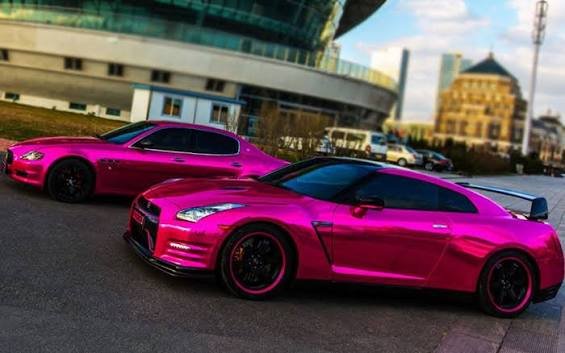
A vehicle wrap can completely change the appearance of a car, truck, van, or commercial fleet. It can introduce a bold new color, display detailed branding, or protect the original paint from everyday exposure. But the quality of the finished wrap depends on more than a creative design and attractive vinyl. The material must be genuine, the installation must be handled correctly, and the entire process should follow recognized industry standards.
This is why certification matters. When a vehicle owner chooses a company connected with an established manufacturer, they gain more confidence in the materials, application methods, and support available after installation. It doesn’t mean every certified project will be perfect, but it does provide a clearer framework for quality and accountability.
For businesses especially, a wrap is often a long-term investment. A poorly installed design can affect how customers view the company, while a professionally completed wrap can help create a consistent and trustworthy image wherever the vehicle travels.
Understanding 3M’s Role in Vehicle Wraps
3M is widely known for developing adhesive products, films, graphics materials, and solutions used in automotive, commercial, and industrial applications. Its vehicle wrap products are designed for different purposes, including color changes, printed graphics, fleet branding, and specialty finishes.
However, not every vinyl product is suitable for every application. Some films are intended for flat or simple surfaces, while others are designed to conform to more complex vehicle contours. The correct choice depends on the shape of the vehicle, the type of design, the expected exposure, and the desired lifespan.
Working with a company familiar with 3M’s product range can make this selection process easier. Instead of choosing material based only on appearance or price, the installer can recommend a film that matches the project’s practical requirements.
The Value of an Authorized Graphics Manufacturer
When a business needs printed vehicle graphics, material sourcing becomes particularly important. The quality of the printed image depends on the vinyl, printer, ink system, finishing process, and installation method.
A 3M authorized Scotchprint graphics manufacturer is associated with the production of graphics using approved systems and processes. This can offer reassurance to customers who want consistent print quality, reliable color reproduction, and materials suited to professional vehicle applications.
For a commercial fleet, consistency matters a great deal. If several vans are wrapped with slightly different colors or uneven image quality, the brand may appear disorganized. Using a qualified graphics manufacturer can help maintain a more uniform appearance across vehicles and future replacement panels.
It is still sensible to ask questions before ordering. A business owner should confirm which film is being used, whether the design will receive a protective laminate, how colors will be proofed, and how the finished graphics will be prepared for installation. Clear communication at this stage can prevent costly surprises later.
What 3M MCS Warranty Certification Means
A vehicle wrap is exposed to sunlight, rain, temperature changes, road debris, and regular washing. Because of this, customers often want to know whether the material and installation are supported by a warranty.
The 3M MCS warranty certified designation relates to a system in which approved materials, printing methods, and installation practices are used according to manufacturer requirements. The purpose is to provide a defined level of performance and warranty support when the specified conditions are met.
Warranty terms can vary depending on the product, geographic location, application, exposure, and installation details. A warranty should never be treated as a promise that the wrap will remain perfect forever. It is important to review what is covered, how long coverage lasts, and what circumstances may void it.
For example, damage caused by accidents, improper cleaning, neglected maintenance, unsuitable surfaces, or unauthorized repairs may not be covered. A responsible installer should explain these limitations rather than presenting the warranty as unlimited protection.
Why a Certified Installer Makes a Difference
The installation process is where the material, design, and preparation come together. Even high-quality vinyl can look poor if it is applied over an unclean surface or stretched incorrectly around difficult contours.
A 3M certified installer has completed training or met requirements associated with the manufacturer’s installation standards. This can indicate familiarity with approved products, application techniques, surface preparation, finishing methods, and troubleshooting practices.
Vehicle wrapping is more technical than applying a large sticker. Installers must work around mirrors, handles, bumpers, wheel arches, recessed panels, body seams, and irregular curves. They also need to understand how heat and tension affect vinyl. Too much stretching may cause the material to shrink later, while poor edge finishing can lead to lifting.
Certification does not replace experience, but it adds another layer of confidence. Before hiring an installer, customers should still review photographs of completed projects, ask about relevant vehicle experience, and check whether the company provides written estimates and care instructions.
Proper Surface Preparation Is Essential
One of the most overlooked parts of wrapping is surface preparation. Dirt, wax, oil, grease, silicone, and moisture can interfere with adhesion. Even a small contaminant trapped beneath the vinyl may create a bubble or prevent the material from bonding properly.
A professional installation generally begins with washing, degreasing, drying, and inspecting the vehicle. The installer may remove badges, trim, or other components where necessary to create cleaner edges. Existing paint damage should also be discussed because peeling clear coat, rust, or weak paint can affect both installation and removal.
A reputable company should not promise perfect results without examining the vehicle first. The condition of the surface matters, and honest advice at the beginning helps protect both the customer and the installer.
Better Design and Print Consistency
Certification and approved production systems are particularly valuable when a project involves complex graphics. Brand colors, logos, photographs, and detailed patterns need to remain consistent across multiple panels.
The design should be created with the vehicle’s shape in mind. Doors, seams, windows, handles, and body lines can interrupt important elements if the artwork is not planned properly. Text should remain readable, while contact information should be placed where it can be seen quickly.
For fleet vehicles, the design should also be adaptable. A box truck may provide broad, flat surfaces, while a compact service van has more curves and less usable space. The brand identity can remain consistent without forcing the exact same layout onto every vehicle.
Maintaining the Wrap After Installation
Even a professionally installed wrap requires proper care. Hand washing with mild automotive soap and a soft cloth is usually a safe starting point. Abrasive brushes, harsh chemicals, and aggressive pressure washing may damage the vinyl or weaken its edges.
Spills, bird droppings, tree sap, and road grime should be removed promptly. Parking indoors or in shaded areas can also reduce long-term UV exposure. The installer should provide product-specific care instructions, particularly if the wrap uses a specialty finish or protective laminate.
Maintenance is also important for warranty support. Failure to follow recommended cleaning and care practices may affect the material’s performance and could complicate a warranty claim.
Choosing a Qualified Wrap Partner
When selecting a vehicle wrapping company, look beyond the advertised price. Ask whether the business uses genuine manufacturer-approved materials, whether its graphics production follows recognized standards, and whether its installers hold relevant certifications.
It is also worth asking for a written quote that explains the film type, design preparation, surface preparation, installation process, warranty terms, and maintenance requirements. A professional company should be comfortable answering these questions.
The goal is not simply to find someone who can cover a vehicle with vinyl. It is to find a partner who understands how the materials should be selected, printed, installed, maintained, and eventually removed.
A More Confident Investment
Choosing certified professionals and approved materials can make the vehicle wrapping process more predictable. It supports better print quality, more reliable installation practices, and clearer warranty expectations. While certification alone cannot guarantee a flawless result, it provides useful evidence that a company takes technical standards seriously.
For private owners and businesses alike, that extra confidence can be valuable. A vehicle wrap should look impressive, represent its purpose clearly, and perform well under everyday conditions. With the right materials, skilled installation, and sensible maintenance, it can become a worthwhile investment rather than a short-lived cosmetic experiment.
