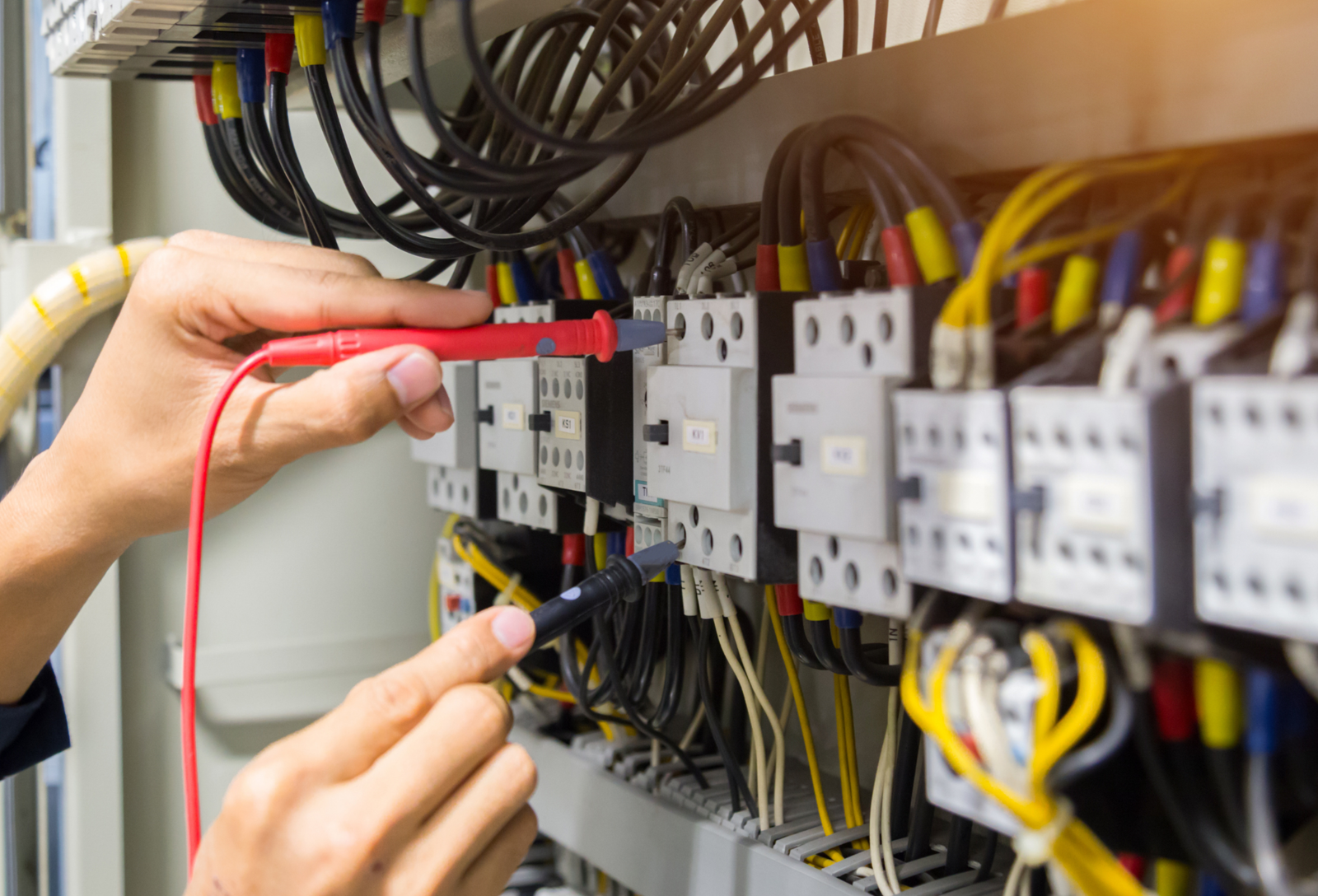
I still remember visiting a friend’s newly built house in Jaipur last year, and within twenty minutes of walking through it, I spotted three exposed junction boxes and a fan wire that was, let’s just say, “temporarily” taped together. Temporary had apparently lasted eight months. That’s the thing about electrical work in homes — it’s invisible until it isn’t, and by then you’re usually dealing with a tripped MCB at 11pm or worse.
So let’s talk about it properly, because most people only think about their home’s wiring when something goes wrong.
Start With a Plan, Not a Panic Call
Here’s something a lot of homeowners skip entirely: sitting down before construction (or renovation) and actually mapping out where the power needs to go. Not just “put a socket near the bed,” but thinking through your kitchen appliance load, your AC points, where the washing machine will sit five years from now, and whether you’ll ever want an EV charger in the garage. This upfront thinking is what electricians call electrical planning, and honestly, it’s the single most underrated part of any home project. Skip it, and you end up with extension cords running across doorways for the rest of your life — which, yes, I’ve also seen.
A decent plan accounts for future load too. Indian homes are adding more appliances every year — inverter ACs, induction cooktops, home theatre setups — and wiring that was fine in 2015 might genuinely struggle in 2026. If your electrician isn’t asking about your five-year plans for the house, that’s a bit of a red flag, honestly.
The Paperwork Nobody Wants to Deal With (But Should)
Now, the part everyone tries to avoid — permits. I get it, paperwork is boring and slow, and there’s always a temptation to just “get the electrician to sort it quietly.” But here’s the reality: depending on your city and the scale of the work (new construction, major rewiring, or upgrading your sanctioned load with the local discom), you may need proper electrical permits before work begins, not after.
Skipping this isn’t just a technicality. If something goes wrong later — a fire, an insurance claim, even reselling the house — unpermitted electrical work can turn into a genuinely expensive headache. Insurance companies in particular love finding reasons not to pay out, and undocumented wiring is an easy one for them to point to. It’s a bit like skipping a vehicle’s RC transfer; everything’s fine until it really, really isn’t.
The good news is that most licensed electricians or contractors handle this paperwork as part of their service anyway. It’s worth asking upfront, though, rather than assuming it’s covered.
Choosing Who Actually Does the Work
This is where a lot of projects go sideways. People will happily spend weeks comparing tile brands but hire whoever’s “the neighbour’s guy” for wiring the entire house. I’m not saying local electricians aren’t skilled — many are excellent — but for anything beyond a socket repair, it’s worth vetting properly licensed installation services with actual documentation, insurance, and a track record you can check.
Ask to see previous work if you can. Ask how they handle earthing (still shockingly overlooked in a lot of older Indian homes), and ask what brand of wires and MCBs they’re using — Havells, Polycab, Finolex, whatever, just know it’s not some unbranded stuff bought cheap off a cart. The difference in cost between proper copper wiring and the bargain-bin alternative is honestly not that dramatic when you look at the whole house budget, but the difference in safety is massive.
A Few Things I’d Genuinely Tell a Friend
Get quotes from at least two or three electricians, not because the cheapest is bad, but because pricing this varies wildly and you want a sense of the range. Ask about warranty on the workmanship, not just the materials. And don’t let anyone rush you into signing off on work you haven’t actually inspected — a good electrician won’t mind you poking around with a torch checking connections.
Also, and this one’s easy to forget: keep copies of everything. The permit approvals, the load sanction letter, the final wiring diagram if your electrician provides one. Future-you, trying to sell the house or add a new AC point in 2031, will be grateful.
Wrapping This Up
None of this is glamorous. Nobody posts wiring diagrams on Instagram the way they post kitchen makeovers. But it’s the part of the house that keeps everything else running — literally. Spend the extra week getting the planning and paperwork right, hire people who actually know what they’re doing, and you’ll probably forget your electrical system exists for the next couple of decades, which is exactly the goal.
