Water can look perfectly clear and still contain substances that affect its taste, smell, performance, or safety. That’s one reason choosing a water treatment system shouldn’t begin with a product brochure. It should begin with a better understanding of the water flowing through your home or business.
Many people purchase filters after noticing scale around faucets, an unpleasant odor, cloudy water, or changes in taste. Those signs can be useful clues, but they don’t always reveal the real cause. Hardness, chlorine, sediment, iron, bacteria, and dissolved contaminants require different approaches. Without testing, it’s easy to spend money on equipment that doesn’t address the actual problem.
Water testing offers a clearer starting point. It helps turn a vague concern into useful information, making the next decision more practical and less dependent on guesswork.
Why Clear Water Isn’t Always Clean Water
Visual appearance is not a reliable measure of water quality. Some problems are easy to notice, such as rust-colored staining or cloudy water. Others are invisible and may not affect taste or odor at all.
For example, water may contain dissolved minerals without looking cloudy. Certain contaminants can also remain undetectable through ordinary household observation. This is particularly important for private well owners, whose water quality can change because of groundwater conditions, agricultural activity, flooding, nearby construction, or changes in the well itself.
Municipal water supplies are generally treated and monitored, but water can still be affected by aging plumbing, seasonal changes, or issues inside a building’s own pipes. Testing can help determine whether the concern comes from the incoming supply or from the property’s plumbing system.
The Role of Accurate Testing
Reliable decisions depend on accurate testing. A water test should be selected according to the water source and the concerns being investigated. A basic test may examine pH, hardness, chlorine, iron, manganese, or total dissolved solids. More advanced testing may be needed for lead, nitrates, bacteria, PFAS, arsenic, or other specific contaminants.
Not every test checks for everything. That’s an important point, and one that sometimes gets lost in sales conversations. A test showing acceptable hardness levels does not automatically confirm that the water is free from microbial or chemical contaminants.
The testing method matters, too. Some tests are performed in a laboratory, while others use field kits or digital meters. Field testing can be useful for immediate measurements, but laboratory analysis may be more appropriate for contaminants requiring specialized equipment and controlled procedures.
A trustworthy water treatment professional should explain what is being tested, why it matters, and what the results can—and cannot—tell you.
What Happens During an On-Site Water Test?
An on-site test usually begins with a discussion about the property and the water concerns being experienced. The technician may ask whether the home uses municipal water or a private well, whether there are issues with taste or odor, and whether appliances or fixtures show signs of scale or staining.
During free on-site water testing, a technician may collect a sample directly from a tap or use field equipment to measure certain characteristics. Depending on the provider and the scope of the service, the test may include readings for hardness, chlorine, pH, iron, or total dissolved solids.
The process itself is often straightforward. A small water sample is collected, testing equipment is used, and the results are explained. The useful part is not simply receiving a number on a meter. It’s understanding what that number means for your household.
Customers should ask whether the test is a preliminary screening or a complete laboratory analysis. Free testing can be a helpful first step, but it should not be treated as a replacement for specialized testing when serious contamination is suspected.
Connecting Water Problems to the Right Technology
Once the water has been evaluated, it becomes easier to identify an appropriate treatment method. Different technologies are designed for different problems.
Water Softeners for Hard Water
Hard water contains minerals such as calcium and magnesium. While it is not usually considered a direct health hazard, it can cause scale buildup in water heaters, showerheads, dishwashers, and plumbing. It may also reduce soap efficiency and leave spots on glassware.
A water softener can reduce hardness and help protect household equipment. However, it is not a general-purpose purifier and should not be recommended as a solution for unrelated contaminants.
Carbon Filtration for Taste and Odor
Activated carbon filters are often used to reduce chlorine taste, odors, and certain organic compounds. They can improve the sensory quality of drinking water and make tap water more pleasant to use.
However, carbon filters vary considerably. Their performance depends on the type and amount of carbon, contact time, flow rate, and filter condition. A system should be chosen according to the specific issue identified during testing.
Reverse Osmosis for Dissolved Contaminants
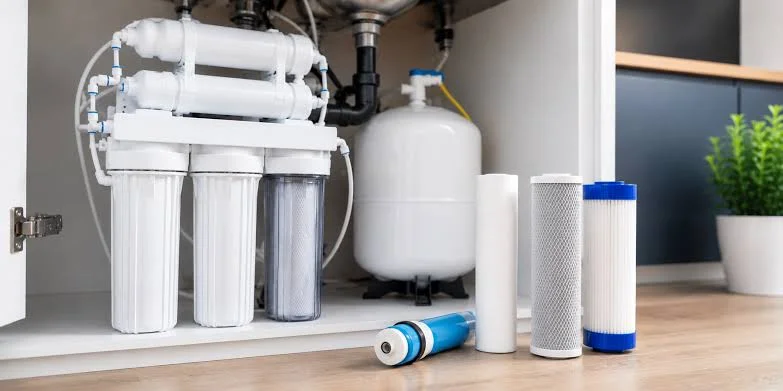
Reverse osmosis systems are commonly used for drinking and cooking water. They can reduce many dissolved substances, depending on the membrane, system design, and operating conditions.
These systems may require pre-filtration, adequate water pressure, storage capacity, and regular filter replacement. They can be highly useful, but they are not automatically necessary for every household.
UV Purification for Microbial Concerns
Ultraviolet purification uses UV light to inactivate certain microorganisms. It may be suitable for some private well applications, especially when microbial testing indicates a concern.
UV systems do not remove minerals, chemicals, or sediment. They often work best when paired with suitable pre-filtration, which helps ensure the water is clear enough for the UV light to function effectively.
Why Testing Helps Prevent Unnecessary Spending
Without testing, homeowners may choose equipment based on assumptions. Someone might purchase a softener because of a bad taste, even though hardness is not the cause. Another person may install a carbon filter when the real issue involves iron or a contaminant that requires a different treatment method.
Testing helps narrow the options. It can prevent customers from buying oversized equipment, combining incompatible technologies, or paying for features they don’t need.
That doesn’t mean every test result leads to an immediate purchase. Sometimes the best recommendation is a simple maintenance step, a plumbing inspection, or no treatment at all. A responsible provider should be willing to say that when the evidence supports it.
Questions to Ask About Your Water Test
Before accepting a testing service, ask a few practical questions:
- What parameters will be tested?
- Is the test performed on-site or in a laboratory?
- Are the results preliminary or comprehensive?
- Will I receive a written report?
- What do the results mean for my water use?
- Is the recommended system designed for the specific issue?
- Are there additional tests I should consider?
- What maintenance will the treatment equipment require?
Clear answers can help you distinguish an educational assessment from a sales presentation.
Turning Test Results into a Practical Plan
A water test is most useful when it leads to a sensible plan. The results should be reviewed alongside the property’s water usage, plumbing layout, household size, budget, and maintenance expectations.
A small under-sink system may be enough for drinking water concerns. A whole-house filter may be more appropriate when the issue affects showers, laundry, and appliances. A private well may require a combination of filtration, disinfection, and periodic testing.
The right water treatment solution should address the confirmed problem without creating unnecessary complexity. It should also come with clear instructions, realistic performance claims, and access to replacement parts or service.
A Better First Step Toward Better Water
Water treatment works best when it begins with information rather than assumptions. Testing helps identify what is actually present in the water and provides a more reliable foundation for choosing equipment.
Whether the concern is hard water, unpleasant taste, sediment, staining, or a specific contaminant, a thoughtful assessment can save time, reduce unnecessary spending, and improve long-term results. Free on-site testing may be a useful starting point, but customers should understand its scope and seek laboratory analysis when the situation calls for it.
Ultimately, the goal is not to install the most complicated system. It’s to understand your water clearly and choose a treatment approach that fits your needs. That simple first step can make the entire process more effective—and a lot less confusing.
