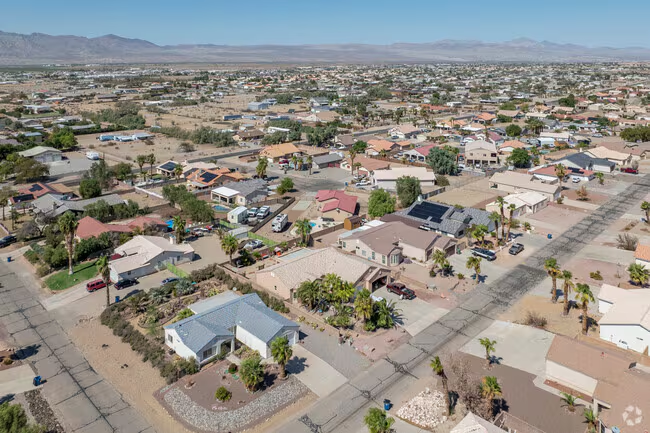
Living in the desert has a certain appeal. The open skies, quiet evenings, colorful sunsets, and easy access to outdoor recreation make the region around the Colorado River a special place to call home. But anyone who has spent a summer here knows the other side of the story: temperatures can climb quickly, the sunshine is relentless, and a comfortable house depends on more than opening a window and hoping for a breeze.
For homeowners, staying comfortable throughout the year often comes down to preparation. A well-maintained cooling system, sensible energy habits, and a home designed to handle local weather can make everyday life much easier. The good news is that a few practical changes can improve comfort without turning home maintenance into a full-time job.
Understanding the Challenges of Desert Living
Desert weather can be demanding, particularly during the hottest months. Air conditioning systems may run for long periods, outdoor equipment faces intense sunlight, and even small gaps around windows or doors can let valuable cooled air escape.
Residents of Fort Mohave understand how important a dependable indoor environment can be when summer temperatures rise. A home that feels pleasant in the morning may become uncomfortable by mid-afternoon if insulation is inadequate or the cooling system isn’t performing properly.
One of the most useful steps homeowners can take is to prepare before extreme heat arrives. Instead of waiting for the first breakdown, inspect your cooling equipment in spring, check the condition of air filters, and look for obvious signs of wear. Scheduling professional maintenance ahead of the busiest season can help identify developing problems while there’s still time to address them.
It’s also worth thinking about how heat moves through your home. Sunlight entering through large windows can warm a room surprisingly fast. Closing blinds during the hottest part of the day, sealing gaps around exterior doors, and improving attic insulation may reduce the amount of heat your air conditioner has to overcome.
None of these steps is especially glamorous, but they can make a noticeable difference when the thermometer keeps climbing.
Keeping Your Air Conditioning System in Good Shape
When outdoor temperatures soar, your air conditioner becomes one of the hardest-working systems in the house. Like any mechanical equipment, it needs regular attention to keep operating effectively.
Start with the air filter. A dirty filter can restrict airflow and make cooling less effective. Check it regularly and replace or clean it according to the manufacturer’s instructions. Homes with pets, frequent dust, or ongoing renovation work may need more frequent inspections.
Next, take a look at the outdoor unit. Keep leaves, weeds, and other debris away from the equipment so air can circulate freely. Avoid stacking items around it or allowing landscaping to grow too close. If the outdoor coil appears heavily soiled, arrange appropriate cleaning rather than attempting a repair without knowing the correct procedure.
Pay attention to changes in performance, too. Perhaps the system runs longer than usual, certain rooms remain warm, or the electricity bill suddenly increases. These symptoms don’t automatically mean the air conditioner needs replacing. A clogged filter, thermostat issue, duct leak, or failing component could be responsible.
If the system blows warm air, makes unusual noises, repeatedly trips a breaker, or develops a persistent water leak, investigate the issue promptly. Basic checks such as confirming the thermostat setting are reasonable, but electrical repairs and refrigerant-related work should be handled by qualified professionals.
Preventive maintenance isn’t a guarantee against every breakdown. Still, it gives homeowners a better chance of finding problems before they become urgent.
Everyday Comfort in Arizona
Life in Arizona often involves adjusting routines to suit the weather. During the summer, early mornings can be ideal for walking, gardening, running errands, or working outdoors. By the afternoon, shaded areas and cool indoor spaces become much more appealing.
The same principle applies inside the home. Rather than constantly changing the thermostat, choose a reasonable temperature and use a programmable or smart thermostat to match cooling schedules to your household’s routine. If everyone leaves for work or school during the day, there may be opportunities to reduce unnecessary cooling while still keeping the house within a comfortable range.
Ceiling fans can also help. They move air across the skin, making people feel cooler, although they don’t actually lower the room’s temperature. Use them in occupied rooms and switch them off when nobody is there.
Hydration and heat awareness matter just as much as indoor comfort. Drink water regularly when spending time outside, take breaks in shaded or air-conditioned spaces, and avoid strenuous activity during the hottest part of the day when possible. Older adults, young children, and people who have difficulty regulating body temperature may need additional care during extreme heat.
For households with pets, remember that animals need access to fresh water and a cool place to rest. A house that feels merely warm to a person can become uncomfortable for a pet left indoors without adequate cooling.
Preparing Your Home for Seasonal Changes
Although summer gets most of the attention, desert temperatures can change considerably between seasons. Cooler nights and winter mornings may make heating necessary, even in areas known for their hot weather.
Before colder conditions arrive, test your heating equipment and pay attention to unusual sounds, uneven warmth, or persistent operating problems. Heat pumps and furnaces have different maintenance requirements, so follow the manufacturer’s recommendations and arrange professional inspections when appropriate.
Homeowners should also inspect weatherstripping and window seals. Keeping warm air inside during cooler weather and cooled air inside during summer helps maintain comfort throughout the year.
If you live in an older property, consider whether the insulation, ductwork, and windows are suitable for the local climate. Improvements don’t always need to happen at once. Start with the areas that contribute most to discomfort or energy waste, then plan larger upgrades around your budget.
Life Across the River in California
The communities on the California side of the Colorado River share many of the same practical concerns. In California, desert residents may experience long periods of hot weather, dusty conditions, and heavy seasonal demand for cooling equipment.
Dust deserves particular attention because it can collect on filters, outdoor coils, and other components. Keeping filters clean and the area around outdoor equipment clear can support better airflow. If dust repeatedly enters the home, check door seals and window gaps, and consider whether your ventilation and filtration setup suits your household.
Energy use is another important consideration. Air conditioning can account for a substantial portion of household electricity consumption during hot weather, although actual costs depend on the equipment, home design, utility rates, and thermostat settings.
If your bills seem unusually high, compare usage with previous months and consider recent weather conditions. A professional energy assessment may help identify insulation problems, duct leakage, or other sources of wasted energy. When replacing equipment, ask about proper sizing and efficiency rather than choosing a unit based only on its price or advertised capacity.
An oversized system isn’t necessarily a better system. Correct sizing and quality installation both influence comfort and performance.
When to Call a Professional
Some home maintenance tasks are straightforward, but others require specialist knowledge. If your cooling system repeatedly struggles to maintain temperature, develops unusual noises, leaks water, or cycles on and off too frequently, a qualified HVAC technician can investigate the cause.
Before arranging a visit, make a note of the symptoms. When did the problem begin? Does it happen at a particular time of day? Are all rooms affected, or only one? These details can help the technician narrow down the possibilities.
Ask for an explanation of the recommended work and a written estimate when appropriate. If replacement is suggested, find out whether repair remains a reasonable option and what factors support the recommendation. Clear answers make it easier to make a decision that fits your needs and budget.
Enjoying Desert Life with Less Stress
Desert living comes with its own set of challenges, but the heat doesn’t have to dictate every part of your routine. A little preparation, regular equipment care, and sensible energy habits can help make a home more comfortable through changing seasons.
Start with the basics: maintain your heating and cooling equipment, keep filters clean, reduce unnecessary heat entering the house, and pay attention when something begins to behave differently. When a problem goes beyond simple maintenance, seek qualified help rather than letting it grow.
With the right approach, homeowners across the Colorado River region can spend less time worrying about indoor temperatures and more time enjoying the things that make desert living worthwhile: peaceful evenings, wide-open landscapes, and the simple pleasure of coming home to a comfortable space.
