There’s a certain comfort in knowing that the water coming from your kitchen tap tastes good and that your appliances aren’t constantly struggling with mineral deposits. Installing a water treatment system can bring that reassurance. Maintaining it, however, is something many homeowners tend to forget.
Life gets busy. Between work, family commitments, and endless household chores, checking a water softener or replacing a filtration cartridge doesn’t always make the list.
But ignoring these responsibilities can lead to declining water quality, unnecessary repairs, and unexpected expenses. Fortunately, keeping your treatment equipment in good condition requires more consistency than technical expertise.
Why Your Water Treatment Equipment Needs Regular Attention
Water treatment systems work behind the scenes, often around the clock. Depending on the equipment, they’re responsible for reducing hardness minerals, capturing sediment, or removing specific unwanted substances from drinking water.
Naturally, this ongoing workload affects their components.
Regular water treatment system upkeep helps maintain equipment performance and reduces the likelihood of avoidable breakdowns. It also gives homeowners an opportunity to identify minor issues before they develop into more complicated problems.
Think of it like maintaining your car. You wouldn’t necessarily wait for the engine to stop working before arranging an oil change.
The same principle applies here. Preventive care is generally more manageable than emergency repairs, particularly when the equipment serves your entire household.
Recognising When Your Water Softener Needs Attention
A properly functioning water softener can make household cleaning easier and help reduce excessive mineral accumulation inside plumbing and appliances.
When its performance begins to decline, familiar problems may gradually return. White deposits appear around faucets, soap becomes harder to lather, and freshly washed towels might feel rough again.
Scheduling water softener repairs and tune-ups can help identify issues involving regeneration settings, worn valves, depleted resin, or problems within the brine tank.
Sometimes, the solution is surprisingly straightforward. A hardened layer of salt, commonly known as a salt bridge, can prevent proper regeneration even when the tank appears sufficiently full.
Other situations may require professional troubleshooting or replacement components.
Rather than assuming your softener has reached the end of its useful life, it’s worth having the equipment assessed. A relatively minor adjustment could restore its performance.
Don’t Forget the Water You Drink Every Day
Drinking water filtration equipment deserves particular attention because it’s used for something your family consumes regularly.
Filters have limited treatment capacities. Over time, accumulated particles and exhausted filtration media can reduce their effectiveness.
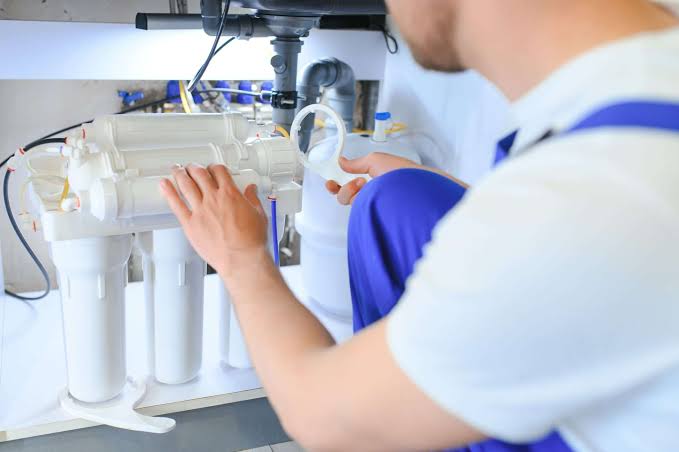
Arranging a drinking water system filter service at appropriate intervals helps maintain the intended performance of your equipment. Depending on the system, servicing may involve replacing sediment cartridges, carbon filters, or reverse osmosis membranes.
One common mistake is assuming that pleasant-tasting water automatically means the filter is working properly. Unfortunately, certain contaminants cannot be detected through taste or smell.
Follow the manufacturer’s replacement recommendations and arrange suitable water quality testing when necessary.
It’s a small responsibility, considering how frequently drinking water is used throughout the day.
Small Warning Signs That Are Worth Investigating
Water treatment equipment doesn’t always fail dramatically. More often, performance changes happen gradually.
Perhaps your filtered water faucet takes longer to fill a glass than it used to. Maybe the softener seems to regenerate more frequently, or you’ve noticed moisture around a plumbing connection.
Changes in water pressure, unusual sounds, and unexpected tastes may also indicate that something needs attention.
These symptoms can have several causes, so replacing random components isn’t necessarily the best approach.
Start by reviewing recent maintenance records and checking the manufacturer’s troubleshooting guidance. If the problem persists, professional assistance may help identify the underlying issue.
Catching a developing problem early can make a considerable difference to both repair costs and household convenience.
How Regular Servicing Can Help Reduce Household Expenses
Nobody particularly enjoys spending money on maintenance, especially when everything appears to be working fine. Nevertheless, preventive servicing can make financial sense over time.
A poorly functioning softener may allow excessive minerals to accumulate inside water heaters and other appliances. Clogged filtration cartridges can restrict water flow, while neglected components may eventually require more extensive repairs.
There are smaller expenses to consider, too. Additional cleaning products, bottled water purchases, and frequent descaling can gradually add up.
Maintaining your existing equipment may help reduce some of these avoidable costs.
Of course, older systems occasionally become uneconomical to repair. Comparing servicing expenses with replacement costs can help you decide when upgrading is the more practical choice.
Building a Maintenance Routine That Fits Your Lifestyle
You don’t need an elaborate maintenance spreadsheet or a collection of specialised tools to look after most household water treatment equipment.
A simple calendar reminder can help you remember cartridge changes and recommended service appointments. Checking softener salt levels periodically and looking for visible leaks are other useful habits.
Keep the equipment manual somewhere accessible, along with model numbers and previous service records.
For households relying on private wells, regular water testing is especially important because groundwater conditions can change without obvious warning.
The easier your maintenance routine is to follow, the more likely you’ll stick with it.
Good Water Deserves Consistent Care
Water treatment equipment is easy to appreciate when it’s working and equally easy to forget when nothing seems wrong.
Giving your system occasional attention can help preserve water quality, protect valuable appliances, and prevent unnecessary household disruptions.
You don’t have to wait until the water tastes strange or mineral stains return before taking action. Staying ahead of maintenance is usually the simpler option.
After all, reliable water is part of what makes a home comfortable. A little care behind the scenes can help keep it that way for years to come.
