You notice it when the showerhead starts collecting white deposits, when a glass of tap water has an unfamiliar smell, or when cleaning the kitchen sink takes longer than it should. Water is such an ordinary part of home life that it’s easy to overlook its quality until something changes. Then, suddenly, you’re wondering whether a filter might help or whether the problem is more complicated than it first appears.
The answer depends on what’s actually in your water. Some households mainly deal with hard water, while others notice chlorine taste, sediment, or staining caused by naturally occurring minerals. Choosing the right treatment starts with understanding those differences. Once you know what needs attention, you can make practical improvements without spending money on equipment that doesn’t solve the problem.
Every Home Has Different Water Treatment Needs
Water quality varies according to its source, local geology, treatment processes, and plumbing conditions. Municipal water supplies are treated to help protect public health, but minerals and disinfectants can still affect taste, smell, and the way water behaves around the home. Private wells have their own considerations, including possible changes in mineral levels, sediment, and microbiological conditions.
Hard water is one of the most common household complaints. Calcium and magnesium can leave chalky deposits on faucets, shower screens, and appliances. Soap may not lather as well, and cleaning products can seem less effective. In other homes, the concern is chlorine’s noticeable taste or smell, especially when drinking water straight from the tap.
These problems may seem similar at first, but they don’t necessarily respond to the same treatment. A water softener is designed to address hardness minerals, whereas a carbon filter may help reduce chlorine. A sediment filter can capture suspended particles but won’t automatically remove dissolved substances.
Before purchasing anything, consider a water test. It can help identify the specific conditions affecting your supply and provide a clearer starting point for choosing equipment.
When a Whole-House Treatment System Is Worth Considering
Sometimes, a filter at the kitchen sink isn’t enough. If water-related problems affect several bathrooms, laundry equipment, water heaters, and other fixtures, treating water as it enters the home may be a more practical approach.
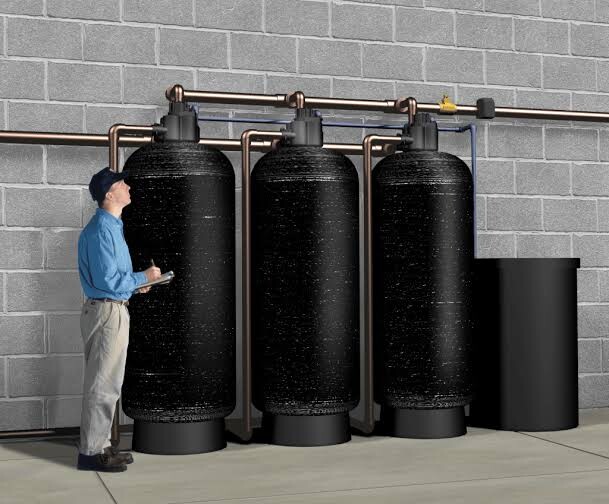
Whole house specialty systems are designed to address particular water concerns across a property. Depending on the test results, a setup might include sediment filtration, carbon treatment, specialized media, or equipment designed to reduce certain minerals and contaminants. The combination depends on the water chemistry and the needs of the household.
For example, a home with sediment and noticeable chlorine odor may benefit from more than one treatment stage. The first stage could capture suspended particles, while another is selected to reduce chlorine. If hardness is also a problem, a separate softening stage might be appropriate.
The important point is that whole-house treatment isn’t automatically better simply because it covers every tap. The system needs to be correctly sized and matched to the problem. An unnecessarily complex setup can add installation costs and maintenance without delivering much extra value.
Ask a qualified water treatment professional to explain why each component is recommended. You should be able to understand what it does, which test results support the recommendation, and what it won’t remove.
Understanding Chlorine and Its Role in Water
Chlorine is commonly used to disinfect municipal water supplies. It helps control harmful microorganisms as water travels through distribution pipes, which makes it an important part of public water treatment. Still, some people dislike the swimming-pool-like smell or taste that can occasionally be noticeable at home.
The solution isn’t necessarily to remove chlorine everywhere without considering the wider picture. Instead, start by identifying where the taste or odor is most bothersome and what type of treatment is appropriate. Activated carbon filtration is commonly used to reduce chlorine when the filter is designed for that purpose and maintained correctly.
Filter performance depends on several factors, including water flow, contact time, capacity, and the condition of the filter media. A cartridge that has reached the end of its useful life may no longer perform as expected, even if water still looks perfectly clear.
It’s also worth remembering that chlorine reduction and overall drinking-water safety are different things. A filter designed to improve taste doesn’t automatically remove bacteria, lead, nitrates, or other possible contaminants. If those are concerns, the equipment must be selected and verified for the specific substances involved.
What Does a Dechlorinator Actually Do?
A dechlorinator is a treatment product or system intended to reduce or neutralize chlorine in water. The method varies by application. Some household systems use filtration media, while other products rely on chemical treatment or different processes suited to particular uses.
For home drinking water, a properly selected carbon filter is a common option for reducing chlorine taste and odor. For larger water volumes or specialized applications, the appropriate technology may differ. That’s why product specifications matter more than the name alone.
Before choosing a system, check whether it is intended for drinking water, whole-house treatment, or another specific purpose. Look for evidence supporting its chlorine-reduction claims, along with guidance on flow rate, capacity, and maintenance. A product designed for a small faucet may not be suitable for a property’s entire water supply.
Regular servicing is part of the equation. Replace cartridges or maintain media according to the manufacturer’s recommendations, and arrange further testing if the water’s taste or odor changes unexpectedly.
Is Chlorine-Free Water Always the Goal?
Many homeowners search for chlorine-free water because they want a cleaner taste and a more pleasant drinking experience. That preference is understandable, particularly when tap water has a noticeable odor. However, the term needs a little context.
Water that has had chlorine reduced may taste better, but removing a disinfectant doesn’t automatically make the water safer. Municipal systems use disinfectants to control microorganisms, and the protection they provide during distribution is important. Whole-house treatment should therefore be planned with the water source, plumbing, and potential microbial risks in mind.
If the main concern is drinking-water taste, a point-of-use filter may be a reasonable choice because it treats water at a specific faucet rather than changing the entire home’s water supply. If you want treatment throughout the property, seek professional advice about the benefits and limitations of the proposed system.
The goal should be water that’s suitable for its intended use, not simply water with one ingredient removed. A good treatment plan considers taste, safety, plumbing conditions, and long-term performance together.
Choosing the Right System for Your Budget
Water treatment equipment comes in many sizes and configurations, so it’s worth comparing more than the initial purchase price. Ask about installation, replacement filters, media lifespan, servicing, and expected operating costs. A system that looks inexpensive upfront may require frequent replacements, while a more durable option may offer better value over time.
Household demand matters, too. A system must provide enough flow when showers, washing machines, and kitchen taps are running at the same time. Poor sizing can lead to reduced pressure or inconsistent performance.
Before committing, ask these questions:
- Which specific water issue will this system address?
- What test results support the recommendation?
- What contaminants or minerals will remain in the treated water?
- How often will maintenance be required?
- Are replacement parts readily available?
- Is the product tested or certified for the reduction claims that matter to my household?
Clear answers help you compare options fairly and avoid paying for features you don’t need.
Better Water Begins with an Informed Decision
Improving water at home doesn’t have to involve guesswork or an expensive collection of filters. Start by understanding the problem, use appropriate testing to confirm it, and choose a system designed for the conditions you actually have.
Whether you need chlorine reduction, hardness treatment, or a more comprehensive filtration setup, the best solution is one that fits your household and can be maintained properly. With the right information, you can make water more pleasant to use, protect equipment where appropriate, and feel more confident about the choices you’re making.
Sometimes, better water begins with a surprisingly simple step: finding out what’s in it before deciding what to remove.
