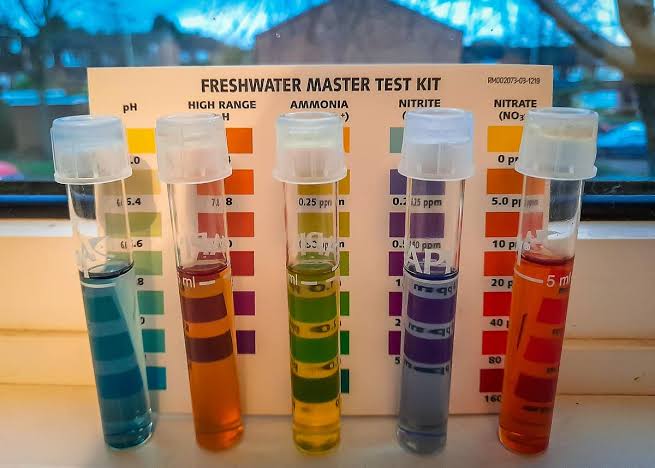
Buying water treatment equipment without testing your water first can be an expensive mistake. You might install a filtration system hoping to eliminate mineral deposits, only to discover that the problem requires an entirely different treatment method.
Many homeowners experience recurring water-related frustrations without understanding their underlying causes. Cloudy glassware, unpleasant drinking water tastes, stubborn bathroom stains, and excessive appliance maintenance are familiar examples.
For homeowners in Houston, Texas, understanding the characteristics of their water supply can make choosing effective treatment equipment considerably easier.
A professional assessment provides valuable information about existing water conditions, allowing you to compare solutions based on measurable findings rather than assumptions. Whether you’re interested in protecting household appliances or improving drinking water quality, reliable testing is an excellent place to begin.
Build an Effective Water Treatment Strategy With Reliable Information
Every property has unique water quality concerns. Even neighboring households can experience different problems because of variations in plumbing materials, consumption patterns, and existing treatment equipment.
Professional water testing for treatment planning helps homeowners identify specific water characteristics and determine which treatment technologies may provide meaningful improvements.
For example, a household experiencing persistent white deposits around bathroom fixtures may benefit from water softening. Another property dealing primarily with chlorine tastes might require suitable activated carbon filtration.
Without testing, distinguishing between these requirements can be difficult.
A preliminary assessment may examine hardness, disinfectant concentrations, acidity, and dissolved solids. More specialized laboratory testing may be necessary when concerns involve particular chemical contaminants or microorganisms.
The findings can help guide several important decisions, including equipment capacity, installation requirements, treatment configuration, and anticipated maintenance expenses.
Imagine investing in an expensive filtration system only to discover that a simpler treatment arrangement would have addressed your concerns.
Testing beforehand can help prevent this unnecessary financial commitment.
A thoughtfully developed treatment plan should reflect your property’s actual requirements rather than relying on standardized equipment recommendations.
Understand How Hardness and Minerals Affect Your Household
Have you ever wondered why your shower doors develop cloudy deposits so quickly or why freshly washed towels sometimes feel unusually stiff?
Naturally occurring minerals could be contributing to these everyday frustrations.
Professionally testing water for hardness and minerals provides valuable information about dissolved calcium, magnesium, and other selected substances that may influence household water quality.
Calcium and magnesium are primarily responsible for water hardness. Although hardness isn’t generally considered a health hazard, it can contribute to several practical maintenance challenges.
When mineral-rich water evaporates, it may leave chalky deposits behind. Heating hard water can also encourage scale formation inside water heaters, kettles, and other appliances.
Certain minerals can interfere with soap performance, potentially increasing the amount of cleaning products required to achieve satisfactory results.
Water softening equipment addresses excessive hardness through an ion-exchange process. Specialized resin captures calcium and magnesium ions while releasing sodium or potassium ions.
Reducing hardness may help improve detergent effectiveness, minimize future mineral accumulation, and make household cleaning more manageable.
However, mineral-related water problems don’t always require identical treatment.
For instance, reddish-brown staining associated with elevated iron concentrations may require specialized filtration rather than conventional softening alone.
Understanding which minerals are present and their concentrations helps homeowners select appropriate equipment without introducing unnecessary treatment stages.
Gain a Clearer Picture of Your Home’s Overall Water Conditions
Water quality involves much more than hardness. Disinfectant concentrations, acidity, suspended particles, and dissolved substances can all influence how water behaves throughout your property.
A comprehensive residential water quality analysis helps homeowners understand these different characteristics and recognize how they may relate to existing household concerns.
Depending on the testing package, an assessment may include:
- Hardness testing: Measures concentrations of calcium and magnesium associated with mineral deposits.
- Total dissolved solids: Estimates or measures the overall concentration of dissolved substances without identifying individual contaminants.
- Disinfectant testing: Evaluates selected residual disinfectants that may influence water taste and odor.
- pH testing: Indicates the acidity or alkalinity-related characteristics of water.
- Iron testing: Helps investigate certain metallic tastes and reddish-brown stains.
- Turbidity assessment: Evaluates water cloudiness associated with suspended material.
These findings can provide useful guidance when comparing different treatment technologies.
However, homeowners should understand that basic testing doesn’t necessarily identify every potentially harmful contaminant.
Independent laboratory analysis may be appropriate when concerns involve lead, nitrates, bacteria, or specific chemical substances.
A knowledgeable professional should explain test results clearly and recommend additional investigation when necessary.
Understanding what your results actually mean is just as important as receiving the measurements themselves.
Match Water Treatment Equipment to Your Test Results
Once your water conditions are better understood, selecting suitable equipment becomes considerably easier.
Traditional water softeners primarily address excessive hardness, while sediment filters capture suspended particles such as sand and rust.
Activated carbon filtration may help reduce selected disinfectants and unwanted tastes. Reverse osmosis technology can provide additional reduction of many dissolved substances in drinking water.
Some Houston households may benefit from combining complementary technologies, particularly when several water quality concerns exist simultaneously.
Nevertheless, installing multiple treatment systems isn’t necessary for every property.
Consider independently certified contaminant reduction capabilities, equipment capacity, plumbing compatibility, and ongoing maintenance requirements before making a purchase.
The right treatment arrangement should address genuine concerns while remaining practical and affordable to maintain.
Protect Your Appliances Through Informed Water Treatment Decisions
Water heaters, dishwashers, and washing machines represent considerable household investments.
Excessive hardness can contribute to mineral accumulation inside these appliances, potentially affecting their performance and increasing maintenance requirements.
Identifying elevated hardness levels through testing allows homeowners to consider preventive treatment before mineral-related problems become more disruptive.
Appropriate softening may help reduce future scale formation, although existing deposits could still require cleaning or professional servicing.
Addressing the underlying water conditions offers practical advantages that extend beyond everyday cleaning convenience.
Continue Testing After Installing Treatment Equipment
An initial assessment shouldn’t necessarily be the last time you evaluate your household water.
Periodic follow-up testing can help verify whether installed equipment continues addressing its intended treatment objectives.
Replace filtration cartridges and membranes according to manufacturer recommendations, maintain appropriate softener salt levels, and arrange professional servicing when necessary.
Keeping previous test results and maintenance records can also help identify unexpected changes in treatment effectiveness.
Take a More Informed Approach to Better Water in Houston
Improving household water quality begins with understanding what flows through your faucets every day.
For Houston homeowners, reliable testing and personalized treatment planning can help address persistent water quality frustrations while protecting valuable household equipment.
Rather than purchasing filtration equipment based on guesswork, let measurable findings guide your investment.
Ultimately, better water begins with better information. Understanding your household’s existing water conditions can help you make confident decisions, simplify everyday responsibilities, and enjoy lasting value from an appropriately selected water treatment system.
